| Care area | What the guidance says | Planning use |
|---|---|---|
| Litter scooping | At least twice a day, ideally after every use | Anchor one scoop to the morning routine and one to the evening routine so it never depends on remembering. |
| Litter boxes | One box per cat in multi-cat homes, placed well away from the feeding area in a quiet spot | Choose the location before the cat arrives, not after the first accident. |
| Meals | Feed twice a day; canned food adds moisture; kibble should not be the sole food | Split the day into a morning and evening meal and decide on wet food early. |
| Water | Check water and clean bowls daily; cats drink less than many other pets | Make the bowl check part of every meal. |
| Claws and scratching | Trim claws once every two weeks; provide lots of approved scratching places | Buy the post before the cat comes home and put a nail-trim reminder in the calendar. |
| Warning signs | Urinating outside the box, lethargy, diarrhea, vomiting or not eating mean a veterinarian visit right away | Treat these as medical questions first and behavior questions second. |
Figures come from PETA’s cat care guidance and Windy Hill Veterinary’s essential cat care tips.
The core of how to care for a cat is a daily loop: fresh water, regular meals, a clean litter box, safe places to scratch, playtime and veterinary care when something changes.
Pick the section that matches your situation: a new kitten on the way, litter trouble, a damaged sofa, or a feeding routine that needs tidying. If you are still deciding which cat suits your household, The Essential Guide To Cat Breeds: How To Choose The Perfect Feline Companion In 2026 – Missyplicity comes before everything below.
Before a cat or kitten comes home
A cat is a commitment for the animal’s entire life, and the basic needs are simple: food, fresh water, a clean litter box, veterinary care and affection. PETA’s guidance on caring for cats frames adoption as a long-term commitment, and that framing is the best test of whether the timing is right. If your work hours, travel plans or housing are likely to change soon, settle those questions before you adopt rather than after.

What to have ready for a kitten
The question of what you need before bringing a kitten home comes down to preparing each daily need in advance. Every item in the list below maps to something the guidance names as a basic requirement.
- A litter box in its final location. Moving a box after a kitten has learned where it is adds avoidable confusion, so decide the spot first. The placement rules are in the litter box section below.
- Food and water stations. Set these up away from the litter area, with bowls you can wash daily. Ask the shelter or breeder what the kitten is eating now, and ask your veterinarian how the schedule should change as the kitten grows.
- A scratching post or cardboard scratcher. Having an approved surface in place from the first day is easier than redirecting a habit later.
- A veterinarian. Choose a practice and book the first visit before the kitten arrives, so health questions and timing for spaying or neutering have a home.
- A space to settle in. A quiet room with the box, water and a hiding spot gives a young cat a manageable first territory.
Choosing the right cat for your home
Care needs vary with coat, size and energy, so match the cat to the household. Allergy-prone households should read Hypoallergenic Cat Breeds: The Best Low‑Allergy Cats To Consider In 2026 – Missyplicity before visiting a shelter. If you are drawn to dramatic coats, The Most Striking Long-Haired Black Cat Breeds: 2026 Guide To Choosing And Caring For Them – Missyplicity explains what the grooming commitment looks like, and Big Cat Pet Breeds: Choosing, Caring For, And Staying Safe With Larger Feline Companions In 2026 – Missyplicity suits people with room for a larger animal. Once the cat is home, a naming shortlist such as Sunshine And Sass: 60+ Good Orange Cat Names For 2026 (Fun, Classic, And Unique Picks) – Missyplicity can make the first week more fun.
Setting up a litter box correctly
A correct litter box setup comes down to three decisions: how many boxes, where they sit, and how often they are cleaned. PETA’s care guidance supplies a clear rule for each, and together they prevent most problems before they begin.
How many boxes
The rule of thumb is one box per cat. For a single cat, that means one box is the minimum, and a second is a reasonable upgrade if the home has several floors or the cat is fussy. In a multi-cat household, counting boxes against cats is the first thing to check if tension or accidents appear. Treat the rule as a floor rather than a ceiling: nothing in the guidance suggests more boxes would be harmful, but one per cat is the baseline.
Where to put it
Place the litter pan well away from the cat’s feeding area, in a quiet spot. In a small home this is the hardest constraint, because the quiet corner is often also the kitchen. A bathroom corner, a utility room or a spare bedroom usually works better than a hallway where people pass constantly. Think about the cat’s access too: a spot behind a door that is sometimes closed will fail on the day it matters. Once you find a place that works, leave the box there.

Litter type and scooping
Avoid scented litters, since cats are sensitive to smells. A plain litter is the safer choice, particularly for a new cat whose preferences you do not know yet. Scoop at least twice a day, ideally after every use. If you work from home, scooping after use is realistic; if you are out all day, the morning and evening routine is the practical minimum, and a cat that finds a dirty box may stop trusting it.
When automation helps
A self-cleaning unit can lower the daily workload and reduce odor, but it does not replace paying attention to what is in the box. Changes in the amount or pattern of waste are one way to spot a health issue early. If you want to compare automated designs, see The Best Self-Cleaning Cat Litter Boxes in 2026: Save Time, Reduce Odor, And Find The Right Fit – Missyplicity.
Feeding routine
For an adult cat, the supported routine is to feed twice a day, and to check the water and clean the bowls as part of that routine. PETA’s guidance is written for ordinary household cats, which makes it a sound default for an indoor cat on a regular schedule.
How often to feed your cat
Twice a day suits most households because the meals fall naturally at breakfast and in the evening. Tying them to the same moments as litter scooping gives you one morning round and one evening round: food, water, litter. That pairing is what makes a routine stick, and it also means any change in appetite shows up quickly. A cat that stops eating should see a veterinarian right away rather than being tempted with treats.
Kittens change faster than adults, and the guidance supplied here gives no separate kitten schedule. The sensible approach is to ask the veterinarian at the first visit how many meals and what portions suit the kitten’s current age and weight, and to revisit that as the kitten grows.
Wet food and dry food
Canned or homemade food is more palatable and helps add moisture to the diet, and kibble should not be the cat’s sole food. Veterinary advice from Windy Hill Veterinary adds that cats are known for drinking less water than other pets, which is why wet food and clean, fresh water both matter. A practical split is to make one of the two daily meals wet food and use any dry food as a supplement. If you use dry food in the mix, Best Dry Cat Food For Indoor Cats: 2026 Expert Picks For Weight, Hairball Control, And Urinary Health – Missyplicity explains how to choose one.
Amounts by age and weight
Portion size depends on the specific food, the cat’s age and its weight, so the label on the packaging and your veterinarian’s advice are better guides than a universal number. A veterinarian can tell you whether your cat is at a healthy weight and adjust the amount. Measure portions rather than topping up the bowl by eye, and revisit the amount whenever the cat’s weight changes.
Scratching posts and furniture
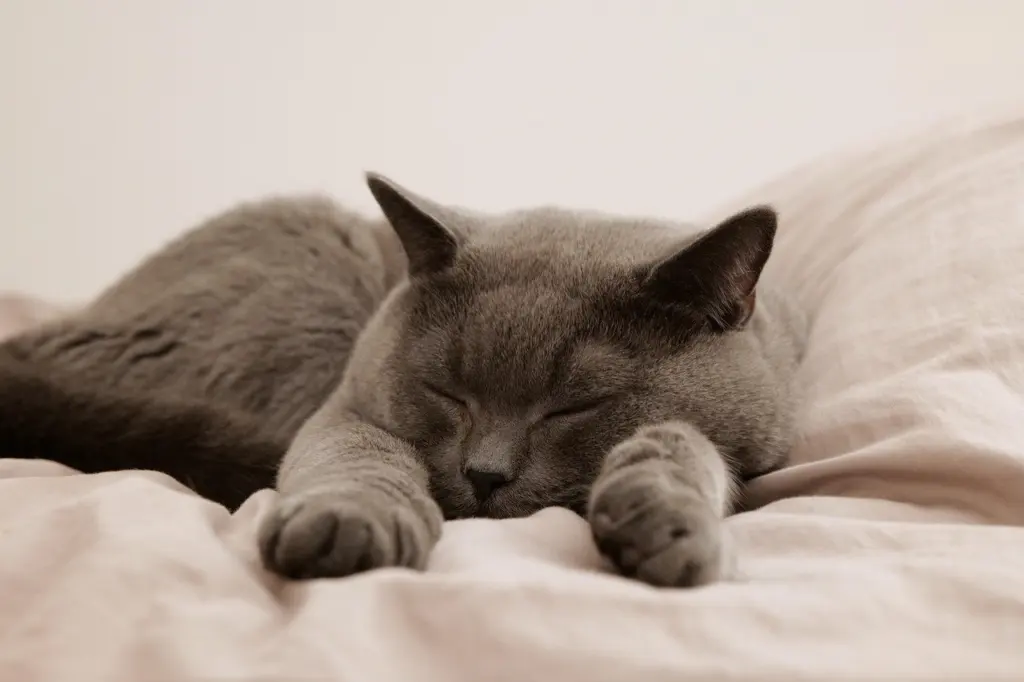
A cat that scratches furniture has not found something better to scratch, so the fix is to provide it. PETA’s guidance says the best way to save your furniture is to provide lots of approved places to scratch.
Why a cat scratches furniture
Furniture is simply the closest, most convenient surface. Because the guidance points to supply rather than punishment, think about where your cat spends time and put an approved option beside the item being damaged. A post in a far corner of the house will lose to the sofa in the living room.
What to offer
Surfaces that cats use include sisal cat trees and posts and cardboard scratching boxes, according to PETA’s cat care page. Offer a mix so you can see which one your cat prefers, and keep the winners in the room where the furniture trouble happens. A scratching post that wobbles or is too short will not be used, so prioritize stability. For a larger structure that doubles as a climbing and resting place, The Ultimate Indoor Cat Tree House: Cozy, Safe, And Space‑Smart Designs For 2026 – Missyplicity covers designs for smaller homes.
Claws and deterrents
Trim claws once every two weeks, which reduces damage whether or not your cat uses the post. If you are new to it, how to trim cat nails walks through the process at home. For a spot your cat keeps targeting, double-sided tape on the unwanted surface is the deterrent PETA names, and it works best when an approved scratcher sits right next to it.
Some behaviors that look like scratching are something else. If your cat treads on blankets or on you with its paws, why do cats knead explains that separate habit.
Indoor life, play and enrichment
Cats adapt nicely to life indoors when they get plenty of playtime and exercise, so an indoor cat’s quality of life depends on what you provide. This is the main care task that litter and food routines do not cover. A bored cat is more likely to turn to the furniture and to unwanted habits, so play belongs in the daily loop alongside meals.
Building play into the day
Schedule play around the same anchors as feeding. A session before the evening meal gives the cat something to do and ties the routine together. Rotate toys instead of leaving all of them out, and watch which ones hold attention. For ideas on matching toys to a restless cat, Beat Cat Boredom: The Smart Guide To Toys That Keep Your Cat Active In 2026 – Missyplicity goes through the options.
Reading your cat’s mood
Posture, tail and ears tell you whether play is welcome or whether the cat needs space. If you are unsure whether a cat is relaxed or on edge, cat body language covers the signals. Loud, repeated vocalizing is a separate question, and Why Does My Cat Yowl? 7 Common Reasons And What To Do – Missyplicity explains the possible causes.
Life expectancy and the indoor trade-off
An indoor life suits most households, and the reasons it is a sound choice are laid out in the FAQ below. For what affects how long cats live and how to support them, see How Long Do Indoor Cats Live? Realistic Lifespans, What Affects Them, And How To Help Your Cat Thrive – Missyplicity.
Common behavior problems: causes and first fixes
When a cat changes its habits, work through health first, then the environment, then the routine. That order matters most for litter problems, because a medical cause needs treatment and no amount of rearranging the box will fix it.
| Situation | First response | Planning use |
|---|---|---|
| Urinating outside the litter box | Take the cat to a veterinarian right away to rule out a urinary tract infection | Book the appointment before changing litter or moving the box. |
| Box avoidance once infection is ruled out | Check the cleanliness of the pan, the litter type, the location and whether a covered or open box is preferred | Change one variable at a time so you know what worked. |
| Lethargy, diarrhea, vomiting or not eating | Take the cat to the vet right away | Do not wait to see whether the cat improves on its own. |
| Scratching furniture | Provide lots of approved places; use double-sided tape on unwanted spots | Place the new scratcher beside the damaged item. |
The responses above follow PETA’s guidance on caring for cats.
Litter box avoidance
A cat who urinates outside the litter box should be taken to a veterinarian right away. Once an infection has been ruled out, the guidance points to the cat being unhappy with the cleanliness of the pan, the litter type, the location, or the choice between a covered and an open box. That gives you a short checklist rather than a mystery. Start with the simplest and cheapest change, which is scooping more often. Next, move to plain unscented litter if you use a scented one. After that, consider the location, and finally test an open box if you are using a covered one.
Other changes that need a vet
Behavior is sometimes the first sign of illness. A cat that is lethargic, has diarrhea or vomiting, or stops eating should be taken to the vet right away. These are the cases where a delay costs more than an unnecessary visit.
Where to find more help
The ASPCA’s cat care pages list behavior, nutrition, grooming and disease topics. They are a useful place to look when a problem does not match the table above.
Grooming and routine health care
Grooming frequency depends mainly on coat length. Windy Hill Veterinary recommends brushing short-haired cats 2–3 times per week, and long-haired breeds may need daily brushing, according to its care tips. Short sessions after play, when the cat is relaxed, tend to go more smoothly than a long session at an awkward moment.
Coat care and bathing
Most cats keep themselves clean, so a bath is an exception rather than a routine. If your cat gets into something messy, How To Bathe A Cat Without The Drama: A Calm, Step‑By‑Step Guide (2026) – Missyplicity gives a calm method, and How Often To Bathe A Cat: The Practical Guide To Keeping Your Kitty Clean In 2026 – Missyplicity helps you decide how often it is actually needed. Long-haired and flat-faced cats have bigger coat demands, and How To Groom A Persian Cat: The Complete 2026 Care Routine For A Healthy, Luxurious Coat – Missyplicity sets out a full routine. If you would rather have a professional do it, How Much Does It Cost to Groom a Cat in 2026? Real Prices, Factors, and Budget Tips – Missyplicity explains what you might pay.
Working with a veterinarian
The veterinarian is the one expert who sees all of this together: weight, diet, litter habits and behavior. Use the first visit to ask about portions for your cat’s age and weight, vaccinations and the timing of spaying or neutering, and keep notes on appetite and litter habits to share. Between visits, use the warning signs in the behavior table as your trigger for calling.
Putting it into a daily routine
The easiest way to keep up with cat care is to stack the tasks. In the morning, scoop the box, refresh the water, wash the bowl and serve breakfast. In the evening, do the same loop with a play session before dinner. Add a weekly or fortnightly slot for grooming and nail trimming. Because the same moments handle food, water and litter, a missed step stands out, and changes in how your cat eats or uses the box get noticed early.
Adjust the routine to the cat in front of you. A kitten, a long-haired cat or a nervous newcomer will each need a different emphasis, but the loop of food, water, litter, play and watching for change stays the same.
Frequently asked questions
Is it safe to let my cat roam outside?
Cats allowed to roam outside unattended may be attacked by dogs, stolen, or exposed to diseases such as feline AIDS and leukemia, according to PETA’s cat care guidance. The safer choice is an indoor life with plenty of play and exercise.
Will declawing stop my cat damaging furniture?
No. PETA says declawing is definitely not a good way to protect furniture, and it removes the last toe joint of each toe. Approved scratching places and regular claw trims are the recommended route.
When should a kitten be spayed or neutered?
PETA’s guidance says the procedure is best performed before the cat reaches sexual maturity at about 5 to 6 months old. Ask your veterinarian to confirm the right date for your kitten.