How to bathe a cat is the first concern for many pet owners. This guide gives clear steps and simple tips. It shows when to bathe, what to prepare, and how to keep the cat calm. It uses plain language and short steps. The owner can follow this plan and reduce stress for both cat and person.
Key Takeaways
- Bathe your cat only when necessary, such as for oily fur, sticky messes, flea treatment, or vet recommendations.
- Prepare all supplies in advance, including cat-specific shampoo, a shallow tub with warm water, and a towel to ensure a smooth bath.
- Use gentle, calm handling and avoid pouring water on the cat’s face to reduce stress during the bath.
- Rinse thoroughly and dry your cat with a towel, using a hair dryer only if tolerated, then brush the coat after drying.
- Consider alternatives like spot cleaning, unscented wipes, or professional groomers to minimize bathing stress.
- Always watch your cat’s body language, keep nails trimmed, and stop if aggression occurs to keep both you and your cat safe.
When Should You Bathe Your Cat? Signs And Timing
Some cats never need a full wash. The owner should bathe when the cat gets oily fur, sticky messes, or a substance that can harm the skin. The owner should bathe if fleas or a vet asks for a medicated wash. Longhaired cats may need baths more often than shorthaired cats. Kittens need gentle, rare baths and vet advice. The owner should wait until the cat recovers from illness or surgery before bathing. The owner should pick a calm day and a warm room.
What Supplies You Need And How To Prepare The Space
The owner should gather supplies before starting. Needed items include a shallow tub or sink, cat shampoo, a cup for pouring, a towel, and a brush. The owner should use shampoo made for cats. The owner should avoid human shampoo. The owner should keep a non-slip mat in the sink. The owner should set water at a warm, comfortable temperature. The owner should plug drains and remove sharp items. The owner should keep a towel within reach. The owner should trim claws or fit soft claw covers before the bath.
How To Bathe Your Cat — Step‑By‑Step
The owner should prepare the cat with short brushing. The owner should speak in a calm voice and move slowly. The owner should carry the cat to the sink and place it on the mat. The owner should wet the cat gently using a cup or a low spray. The owner should avoid pouring water on the face. The owner should apply a small amount of cat shampoo and rub it in with the hand. The owner should work from neck to tail and avoid the eyes and inside ears. The owner should keep movements steady and predictable to reduce fear.
Getting The Cat Wet, Applying Shampoo, And Managing Movement
The owner should wet the back and sides first. The owner should use lukewarm water and pour slowly. The owner should apply shampoo to the body in small amounts. The owner should massage the shampoo in short strokes. The owner should use one hand to steady the cat and the other to wash. The owner should speak softly and offer short breaks if the cat resists. The owner should avoid strong restraint. The owner should stop and towel the cat if the cat panics.
Rinsing, Drying, And Post‑Bath Grooming
The owner should rinse the cat thoroughly until the water runs clear. The owner should lift the cat from the sink and wrap it in a towel. The owner should pat the fur and blot excess water. The owner should use a hair dryer only if the cat tolerates low heat and low noise. The owner should brush the coat after it dries to remove loose fur. The owner should offer a small treat or a calm pet to reassure the cat. The owner should check the skin for irritation and call the vet if the owner finds redness or sores.
Alternatives To Full Baths: Spot Cleaning, Wipes, And Professional Groomers
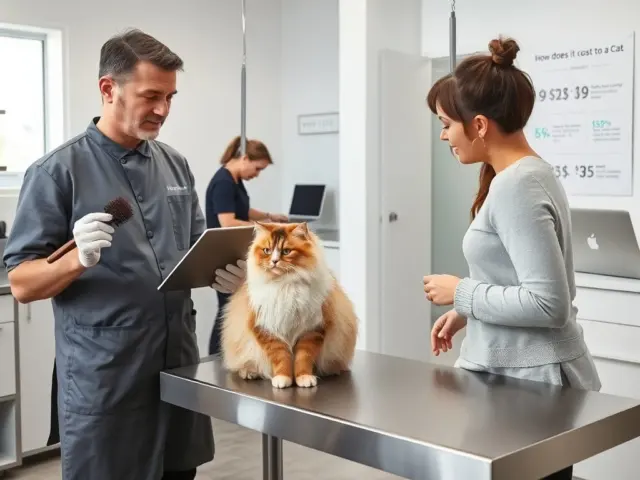
The owner should try spot cleaning to avoid full baths. The owner should use a damp cloth or pet wipe on dirty spots. The owner should buy unscented cat wipes for sensitive skin. The owner should use dry shampoos or waterless foam when the cat dislikes water. The owner should consider a professional groomer for heavy mats or large cats. The groomer can give a safe bath and trim. The groomer can sedate only with a vet’s approval. The owner should weigh cost and stress when choosing the groomer.
Safety Tips, Stress Reduction, And How To Handle Aggression
The owner should read the cat’s body language and pause when the cat shows fear. The owner should give the cat short, calm handling sessions before the bath. The owner should use treats to build positive links to water. The owner should keep the nails short to reduce injury. The owner should wear long sleeves to protect arms. The owner should stop if the cat bites or claws hard and try again later. The owner should ask a second person to help if the cat is large or difficult. The owner should seek a vet or groomer if aggression continues or if the cat has medical issues.