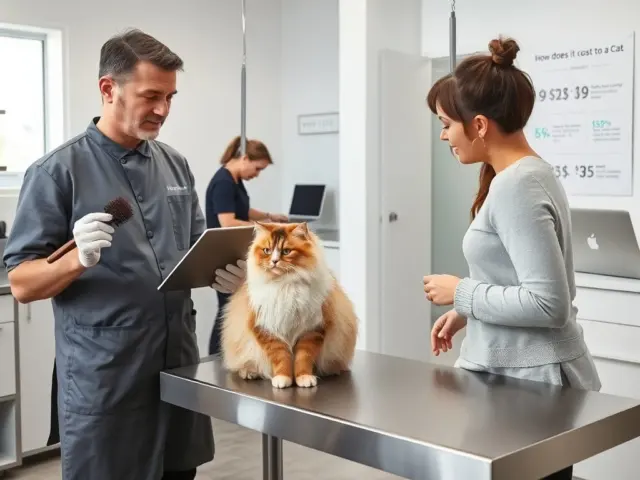
How to groom a Persian cat starts with a simple routine and consistent care. The owner should plan daily brushing, regular baths, and weekly face care. This routine prevents mats, reduces shedding, and keeps the coat healthy. The guide explains step-by-step tasks, tools, and warning signs. Readers will find clear actions they can use immediately.
Key Takeaways
- How to groom a Persian cat starts with daily brushing to prevent tangles and maintain a healthy coat.
- Use essential grooming tools like slicker brushes, wide-tooth combs, and grooming scissors for effective coat care.
- Bathe your Persian cat every 4–6 weeks, using cat-safe shampoo and conditioner, and dry the coat carefully to avoid mats.
- Regularly clean the face, eyes, and ears with gentle care to prevent infections and manage tear staining.
- Manage mats by careful combing or trimming, increase brushing during shedding seasons, and trim nails every 2–3 weeks.
- Know when to seek professional grooming or veterinary help for severe mats, infections, or health concerns to keep your Persian cat comfortable and healthy.
Why Grooming Matters For Persian Cats
Persian cats have long, dense fur that tangles easily. Regular grooming removes loose hair before it forms mats. Grooming reduces hairball risk and skin irritation. It helps the owner check for fleas, skin sores, and lumps. Grooming also improves the cats comfort and reduces the amount of hair in the home. When the owner follows a routine, the Persian cat stays cleaner, calmer, and healthier. How to groom a Persian cat begins with understanding these benefits and committing to short daily sessions.
Daily Brushing: Technique, Frequency, And Signs To Watch For
Owners should brush a Persian cat every day to prevent tangles. Start at the neck and move toward the tail. Use gentle strokes that follow the hair direction. Hold the skin with one hand to avoid pulling. Check the belly, behind the ears, and under the legs where mats form first. Watch for reddened skin, bald patches, or sudden pulling-away, which may signal pain or infection. If the cat resists brushing, shorten the session and praise calmly. How to groom a Persian cat with daily brushing keeps the coat smooth and reduces stress.
Essential Grooming Tools For Persian Coats
A good slicker brush removes loose undercoat and surface hair. A wide-tooth comb detangles deeper knots. A metal comb with both wide and narrow teeth checks for hidden mats. A grooming rake helps with heavy undercoat during seasonal shedding. The owner should keep grooming scissors with rounded tips for small mat removal. Use nail clippers made for cats. Cotton pads and a gentle eye cleanser help face care. How to groom a Persian cat requires reliable tools and a clean, quiet space.
Bathing And Drying: Step-By-Step For A Clean, Tangle-Free Coat
Bathe a Persian cat every four to six weeks or when the coat looks oily or stained. Brush thoroughly before the bath to remove loose hair and small tangles. Use lukewarm water and a cat-formulated shampoo. Rinse until water runs clear. Apply conditioner if the coat feels dry, then rinse again. Towel-dry the cat gently and use a low-heat blow dryer if the cat tolerates it. Comb the coat while drying to keep strands separated. How to groom a Persian cat with proper bathing prevents mats and keeps the coat glossy.
Face, Eye, And Ear Care For Flat-Faced Breeds
Persian cats often show tear staining and runny eyes. Wipe the face daily with a damp cotton pad. Move from the inner eye outward to avoid pushing debris into the eye. Trim long hairs around the eyes with rounded scissors to reduce staining. Clean ears weekly by wiping the outer ear with a soft cloth. Avoid inserting objects deep into the ear canal. If the owner sees thick discharge, foul odor, or swelling, they should seek veterinary advice. How to groom a Persian cat includes gentle, regular face care to prevent infections.
Dealing With Mats, Shedding, And Nail Trimming
Small mats respond to careful combing and a mat splitter. Hold the mat at the base to protect the skin and work outward with a wide-tooth comb. For large or tight mats, the owner should cut them out with rounded-tip scissors or ask a groomer. Manage shedding by increasing brush frequency during seasonal changes. Trim nails every two to three weeks. Press the toe pad to extend the nail and clip only the clear tip to avoid the quick. How to groom a Persian cat includes safe mat removal and regular nail care to keep the cat comfortable.
When To See A Professional Groomer Or Veterinarian
The owner should book a professional groomer if mats cover large areas or if the cat becomes aggressive during home grooming. A groomer can perform a sanitary trim, de-matting, or a short shave when needed. The owner should contact a veterinarian for skin infections, persistent eye discharge, sudden hair loss, or signs of pain. If the cat shows lethargy, loss of appetite, or fever, the owner should seek immediate veterinary care. How to groom a Persian cat includes knowing when to get expert help to protect the cats health.