Cat toys for bored cats must offer motion, challenge, and reward. This guide lists signs of boredom and shows which toys fit each cat. It shows how to pick toys by age, energy level, and personality. It gives clear safety and budget tips. Readers will leave with specific toy ideas and a simple plan to keep their cat active.
Key Takeaways
- Cat toys for bored cats should mimic natural prey movements to effectively engage and reduce boredom-related behaviors.
- A mix of interactive and solo toys provides balanced mental and physical stimulation, strengthening the owner-cat bond while allowing independent play.
- Choosing toys based on your cat’s age, energy level, and personality ensures they remain interested and active.
- Regularly inspect toys for safety and durability, and prioritize quality over quantity to protect your cat and save money.
- Rotating toys weekly maintains novelty and prevents boredom, keeping your cat consistently engaged and healthy.
Why Cats Get Bored — Signs And Why Toys Matter
Cats show boredom through clear behaviors. They scratch furniture, yowl, pace, or sleep more. They may overgroom or act clingy. These signs indicate unmet hunting and play needs. Cat owners should treat boredom as a behavior problem. Cat toys for bored cats provide outlets for stalking, chasing, and pouncing. Toys reduce stress and cut problem behaviors. Toys also keep joints and brain active. Regular play lowers the risk of obesity and helps maintain normal sleep patterns. Choosing the right toy matters because the wrong toy will get ignored. Owners should watch their cat for which movements spark interest. A toy that moves like prey will hold attention longer. Rotation of toys keeps novelty high and reduces boredom quickly.
Top Toy Types That Actually Engage Bored Cats
Toys fall into clear categories that match hunting stages. Owners can mix types to hit all instincts. Cat toys for bored cats include motion toys, puzzle feeders, chase toys, and tactile toys. Motion toys mimic prey with unpredictable moves. Puzzle feeders link play to food and build problem-solving. Chase toys let cats pursue and pounce at speed. Tactile toys satisfy bat and grab behaviors. Owners should try one from each category and note preference. Below is one simple breakdown and how each helps.
Interactive Versus Solo Toys: How Each Stimulates Different Instincts
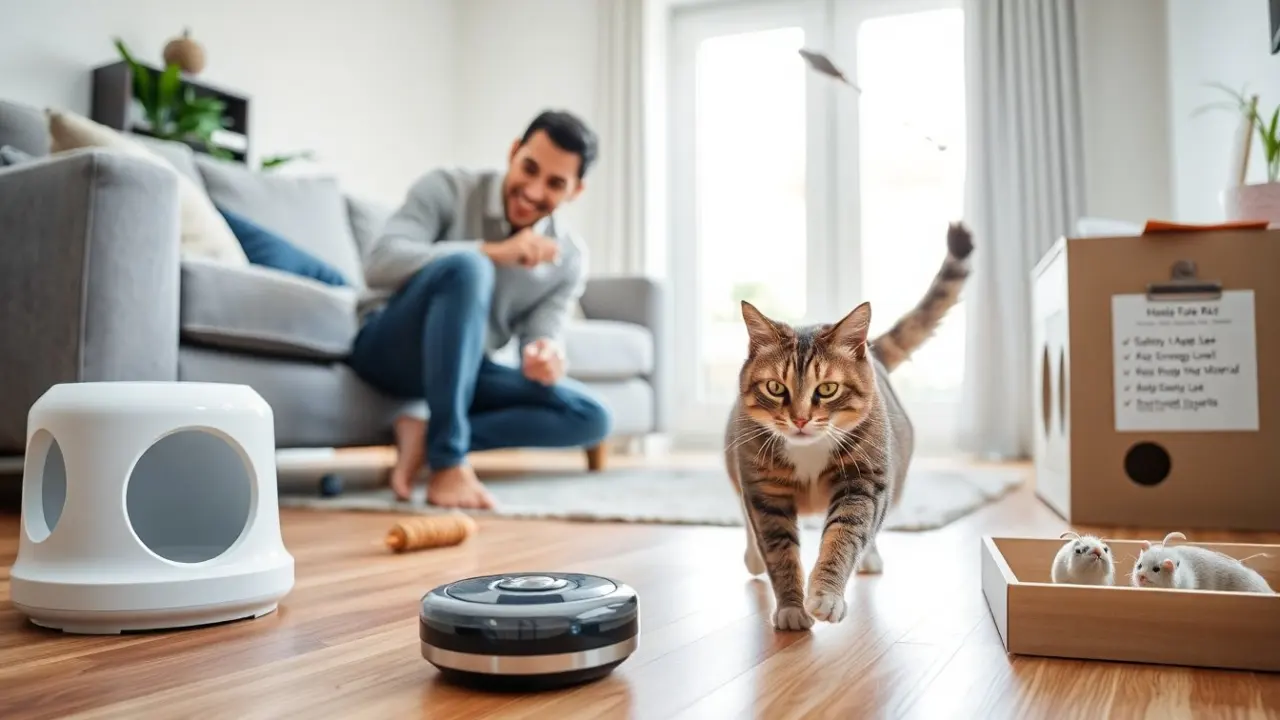
Interactive toys require human or device involvement. They teach chase and attack in turn-based play. Examples are wand toys and remote-moving mice. Interactive play strengthens the bond between owner and cat. Solo toys let cats play without help. Examples are ball tracks, motorized toys, and puzzle feeders. Solo toys suit busy households and offer repeated use. Interactive toys tend to burn more energy per minute. Solo toys offer mental work and repeatable reward. Owners should use both types every week. They should schedule short interactive sessions twice daily. They should leave solo toys available for quiet times.
How To Choose The Right Toy For Your Cat’s Age, Energy Level, And Personality
Kittens need rapid movement and small targets. They prefer light, fast toys and short play bursts. Young adults need high-energy chase toys and longer sessions. They enjoy toys that simulate running prey. Older cats need lower-impact toys and puzzle feeders. They enjoy toys that stimulate the brain without strong jumps. Low-energy cats favor toys that move slowly or offer food reward. Shy cats like toys that start slow and grow bolder. Bold cats seek toys they can wrestle and bite. Owners should match toy size to cat size. They should avoid small parts for cats that chew. They should swap textures for picky cats. They should note reaction to new toys for one week before deciding. Cat toys for bored cats often work best when they match the cat’s natural hunting step. For example, a cat that stalks will prefer hidden toys and puzzle feeders. A cat that charges will prefer remote chasers and balls.
Safety, Durability, And Budget Tips For Buying Cat Toys
Buy toys that show no loose parts. Inspect toys weekly for wear. Replace toys with exposed stuffing or broken electronics. Choose non-toxic materials and safe dyes. For DIY toys, use clean cardboard, paper bags, and string under supervision. Do not leave string or elastic unsupervised. Motorized toys should have auto-off features and sealed batteries. Durable toys include hard plastic tracks and sewn fabric mice with reinforced seams. Owners should test cheap toys for choking risks before regular use. Rotate toys every week to preserve interest and extend life. For budgets, buy a few quality toys over many cheap items. Quality often lasts longer and saves money. Owners can make a low-cost activity center with a box, holes, and a few balls. They can reuse household items as short-term toys. Keep receipts for any electronic toy warranty.