How often to bathe a cat matters to every owner. The question guides grooming plans. This guide gives clear rules. It lists factors that change frequency. It shows a safe bathing routine. It offers alternatives for cleaning without full baths.
Key Takeaways
- Most healthy indoor cats only need a bath every 3 to 12 months, as they groom themselves effectively.
- Long-haired or oily-coated cats and those with health or mobility issues require more frequent bathing, sometimes as often as monthly.
- To bathe a cat safely, prepare the area, use lukewarm water and cat-specific shampoo, avoid the face, and dry the cat thoroughly afterward.
- Spot cleaning, dry shampoo, and regular brushing can reduce the need for full baths and keep your cat’s coat healthy.
- Consult your veterinarian for breed-specific advice and when dealing with skin conditions to determine how often to bathe a cat properly.
How Often Do Cats Really Need Baths? General Guidelines
Most cats need baths rarely. For most healthy indoor cats, how often to bathe a cat equals once every 3 to 12 months. They groom themselves and stay clean. Long-haired or oily-coated cats need baths more often. Cats that roll in dirt, get fleas, or have medical issues need baths sooner. Senior cats and cats with mobility problems may need monthly baths. Owners should monitor coat condition and skin for odor, mats, or grease. If a cat smells bad or has sticky fur, a bath helps. If the cat grooms normally and looks healthy, skip frequent bathing.
Key Factors That Change Bathing Frequency
Owners should change bathing plans based on breed, coat, shedding, age, health, and lifestyle. Each factor affects how often to bathe a cat. The next two subsections explain.
Breed, Coat Type, And Shedding: Who Needs Baths More Often
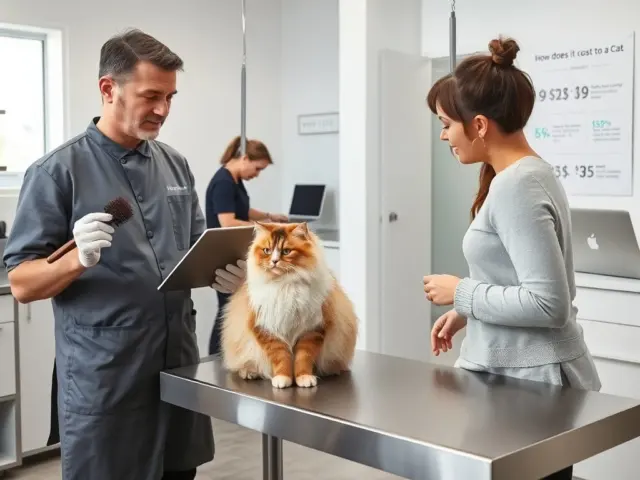
Long-haired breeds shed and trap oil. Persian and Maine Coon cats need regular grooming and occasional baths. Short-haired breeds shed less and need fewer baths. Oily-coated breeds develop greasy fur faster. Heavy shedders may get dander buildup. Dander can cause odor and mats. Owners should bathe these cats every 6 to 12 weeks when grooming alone does not help. Breed-specific skin issues may require veterinarian advice. When in doubt, consult a vet about how often to bathe a cat for that breed.
How To Bathe A Cat Safely: Step-By-Step Routine
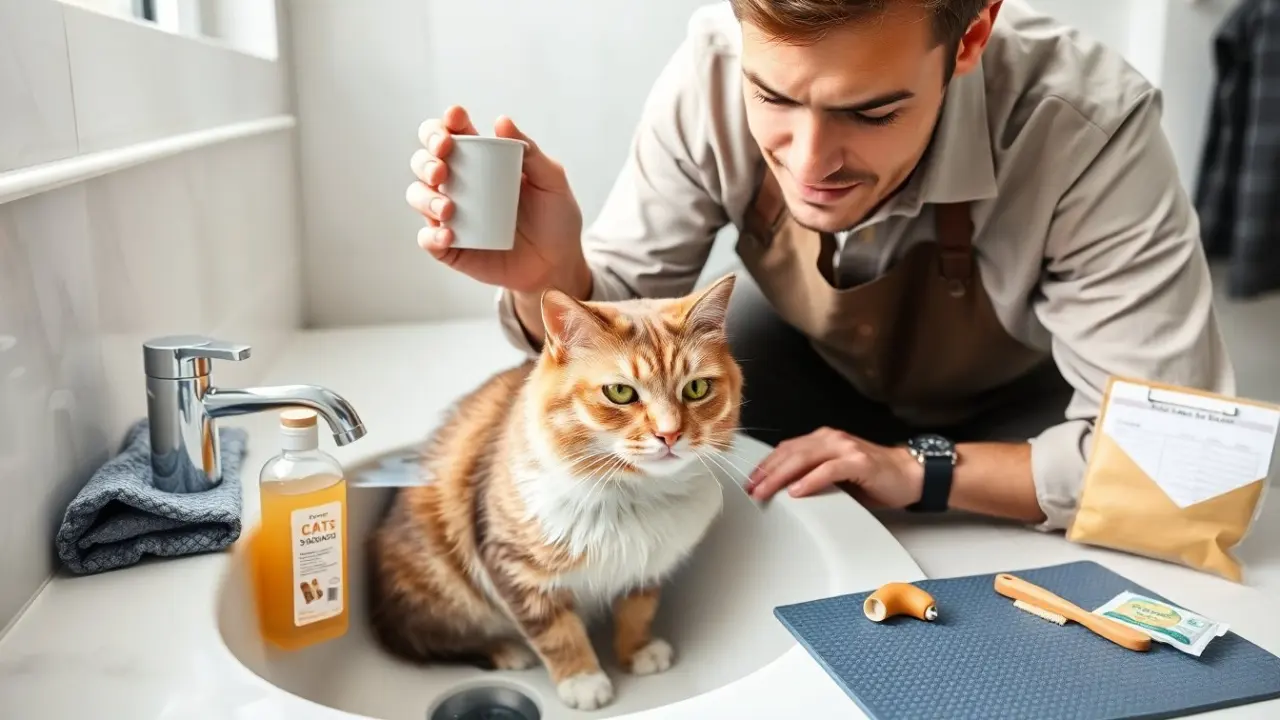
Prepare the area and supplies before starting. Gather cat shampoo, a towel, a cup for rinsing, and a rubber mat. Fill a sink or tub with 2 to 4 inches of lukewarm water. Test water with the wrist. Place the cat gently into the water. Speak calmly and keep movements slow. Wet the fur with the cup. Apply a small amount of cat-formulated shampoo. Lather with the hand using short strokes. Avoid eyes, ears, and nose. Rinse thoroughly until the water runs clear. Lift the cat and wrap it in a towel. Pat dry and keep the cat warm until fully dry. Reward the cat with gentle praise or a treat. If the cat resists strongly, stop and try another time. If the cat shows extreme stress or aggression, seek professional groomer help. Follow vet instructions for medicated shampoos and bathing frequency. Keep records of baths and skin reactions to refine how often to bathe a cat safely.
Alternatives To Full Baths: Spot Cleaning, Dry Shampoo, And Professional Care
Spot cleaning removes dirt without a full bath. Use a damp cloth to wipe paws, face, and soiled spots. Use a pet-safe wipe for quick cleanups. Dry shampoo or waterless foam works for light grease and odor. Apply per product instructions and brush the coat after use. A groomer can perform full baths and blow-drying with less stress for the cat. A professional can handle difficult coats and heavy mats. A veterinarian can offer medicated wipes or baths for skin conditions. Brushing reduces the need for baths by removing loose hair and oil. Owners should plan brushing sessions weekly for most cats and more often for long-haired breeds. These options change how often to bathe a cat by reducing full-bath needs and keeping the coat healthy.