How to trim dog nails is a common question for new owners and experienced caretakers alike. This guide shows clear steps, simple tools, and safety tips. It helps readers prepare, prevent pain, and shave minutes from grooming time. The article uses plain language and practical examples so people can trim nails with calm and confidence.
Key Takeaways
- Trimming dog nails regularly prevents pain, joint issues, and infections while improving mobility and paw health.
- Choose nail clippers appropriate to your dog’s size and ensure blades are sharp to make clean cuts and avoid pain.
- Light-colored nails allow easy identification of the quick; for dark nails, trim gradually to prevent injury.
- Create a calm, well-lit space and use treats and gentle handling to desensitize dogs to nail trimming and reduce stress.
- Use safety tools like styptic powder to manage bleeding and consider nail grinders for controlled trimming, especially on dark nails.
- Practice short, positive sessions frequently to build your dog’s comfort with nail trimming and consider professional help if anxiety persists.
When And Why You Should Trim Your Dog’s Nails
Signs Nails Need A Trim And How Often To Trim Them
Dogs walk on toenails and pads. Owners should trim nails when they touch the floor or click on hard surfaces. How to trim dog nails depends on nail color and activity level. Light nails show a pink quick. Shorten only the white tip. Dark nails hide the quick and need gradual trimming. Puppies need trims every two to four weeks while adult dogs often need trims every three to six weeks. Active dogs that run on pavement need trims less often.
Risks Of Overgrown Nails And Benefits Of Regular Trimming
Long nails change gait and put pressure on joints. They cause pain, splitting, and infections. Owners who learn how to trim dog nails reduce vet visits and improve mobility. Regular trims improve paw health and traction. Shorter nails make nail breaks less likely. They also lower the risk of torn nails that bleed and need medical care. Regular trimming saves time and reduces stress during grooming visits.
Tools You Need: Clippers, Files, And Safety Supplies
Choosing The Right Clippers And Nail Files For Your Dog
Owners should match clippers to the dog size. Guillotine clippers work well for small dogs. Scissor-style clippers suit medium and large breeds. Heavy-duty clippers handle thick nails. When learning how to trim dog nails, choose a sharp blade to make a single clean cut. Dull blades crush the nail and cause pain. Include a nail file to smooth rough edges after cutting.
Buy a styptic powder or pencil to stop bleeding. Keep treats for calm behavior. Use a small towel to restrain a wriggling dog. Have a flashlight for dark nails. A nail grinder gives precise control and reduces the chance of hitting the quick if used slowly. Owners should test tools on a small nail section first. Replace blades at the first sign of dullness.
Prep Steps: Restraint, Comfort, And Setting Up A Safe Space
How To Desensitize Puppies And Nervous Dogs Before Trimming
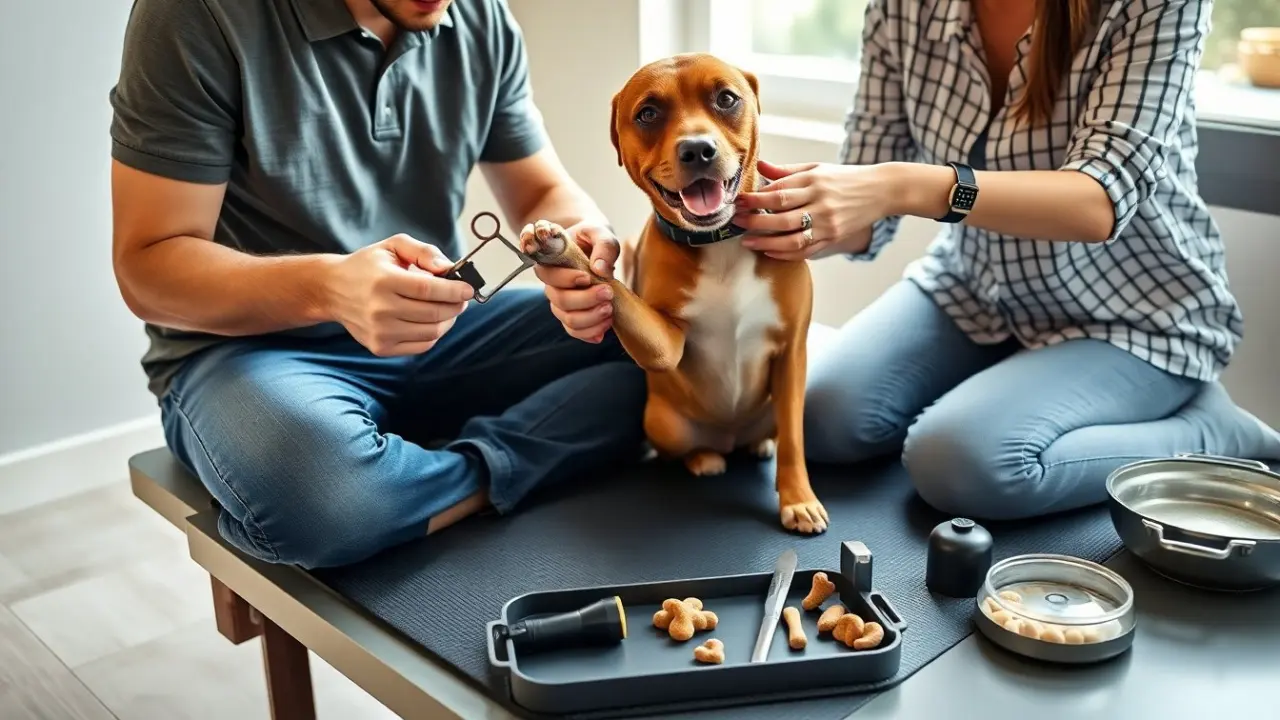
Owners should create a calm space with low noise and good light. Place a non-slip mat on a table or floor. Gather clippers, file, styptic powder, and treats within reach. Have a helper if the dog resists. The helper should hold the dog gently while the trimmer works.
Begin with short handling sessions. Touch paws, press toes, and reward with treats. Hold a paw, clip one small edge, and praise. Repeat daily for several minutes. This practice teaches the dog that paw handling ends with positive outcomes.
Use a gradual approach for nail grinders. Let the dog smell the grinder. Run it near the paw without touching. Reward calm behavior. Then touch the grinder to the nail briefly and reward. Increase time in small steps. Stop if the dog shows pain or strong fear.
For puppies, combine trim practice with play. Give small treats and a favorite toy after each session. For anxious adult dogs, consider a short walk before trimming to reduce excess energy. If a dog shows extreme fear, consult a veterinarian or a professional groomer to avoid harm.