how to clean dog ears is a common question for pet owners. This guide gives clear steps they can follow. It shows signs of ear problems, how often to clean, and a safe cleaning method. It lists supplies and common mistakes. It tells when they must stop and call a veterinarian. The language stays simple so readers can act with confidence.
Key Takeaways
- Knowing how to clean dog ears properly prevents infections and keeps your pet comfortable.
- Clean your dog’s ears according to their ear type and activity level, typically every 1 to 2 weeks for floppy ears and monthly for upright ears.
- Use a veterinarian-approved ear cleaner, cotton balls, and avoid inserting anything deep into the ear canal for safe cleaning.
- Watch for signs like redness, discharge, or unusual odor and stop cleaning to consult a veterinarian if these occur.
- Avoid common mistakes such as over-cleaning, using household cleaners, and forcing your dog, which can cause harm.
- Regular checks and gentle cleaning based on visible signs help maintain ear health and avoid costly vet visits.
Signs Your Dog’s Ears Need Cleaning
Dogs show clear signs when their ears need cleaning. They scratch their ears or shake their heads often. They tilt their head to one side. Their ear flap looks red or swollen. The ear canal gives off a bad smell. Ear discharge appears brown, yellow, or bloody. The dog loses balance or walks in circles. They avoid having their head touched. The dog scratches more at night. Owners should note changes in behavior related to the ears.
How Often You Should Clean Your Dog’s Ears
Frequency depends on the dog and ear type. Dogs with floppy ears often need cleaning every 1 to 2 weeks. Dogs with upright ears may only need cleaning once a month. Dogs who swim or get dirty may need cleaning after activity. Dogs with a history of ear infections need a vet-approved schedule. Owners should check ears weekly for wax, odor, or redness. They should adjust cleaning based on those checks. They should not clean more than their vet recommends.
Step-By-Step Cleaning Guide
Supplies And Preparation Before You Start
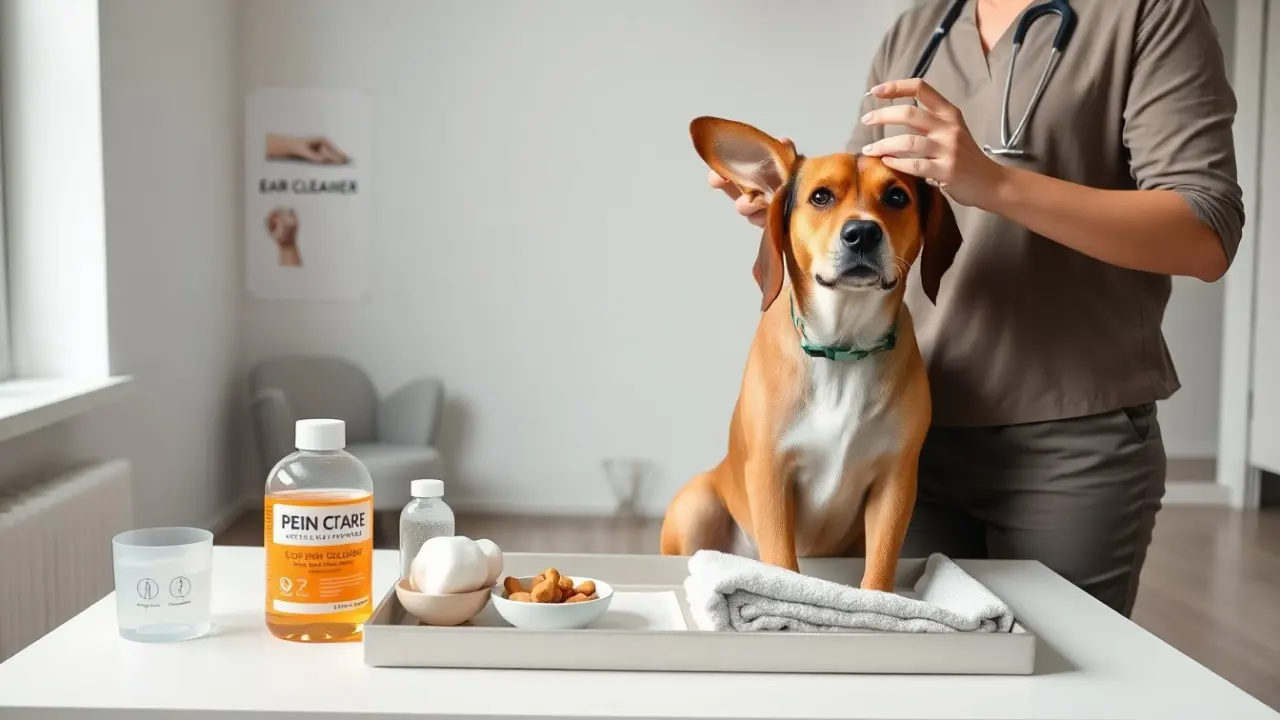
Gather supplies before they begin. They need a veterinarian-approved ear cleaner, cotton balls, and treats. They should have towels and gloves if needed. They should avoid cotton swabs inside the ear canal. They should keep the dog calm with gentle petting. They should trim excess hair near the ear opening if needed. They should work in a well-lit area. They should have a second person to help for nervous dogs.
Step-By-Step Cleaning Technique (What To Do And What To Avoid)
They should hold the ear flap up to straighten the ear canal. They should apply the ear cleaner into the ear canal as the bottle instructions state. They should massage the base of the ear for 20 to 30 seconds so the cleaner loosens debris. They should let the dog shake its head to expel fluid. They should wipe visible debris with a cotton ball. They should repeat until the cotton ball is clean. They should use a fresh cotton ball for each wipe. They should avoid inserting anything deep into the ear. They should not use hydrogen peroxide or alcohol unless a vet approves. They should stop if the dog shows severe pain or bleeding.
Common Mistakes To Avoid When Cleaning Dog Ears
Owners often make simple mistakes that cause harm. They insert cotton swabs into the ear canal and push wax deeper. They clean too often and strip natural oils from the ear. They use household cleaners like hydrogen peroxide and rubbing alcohol without vet approval. They ignore signs of infection and continue cleaning. They force a nervous dog and cause injury. They fail to dry the ear after cleaning and leave moisture that supports bacteria. They skip a vet visit when discharge or blood appears. They use products not made for dogs.
When To Stop Cleaning And See A Veterinarian
Owners should stop cleaning and call a veterinarian when they see certain signs. They should stop if the dog shows severe pain during cleaning. They should stop if the ear bleeds. They should stop if the dog has thick, dark discharge or a foul smell. They should stop if the ear is very red or swollen. They should stop if the dog loses balance or has ongoing head tilts. They should stop if cleaning fails to improve symptoms after two cleanings. They should seek immediate care for high fever or sudden behavior change. The veterinarian can examine the ear, perform tests, and prescribe medication or a safe cleaning plan.