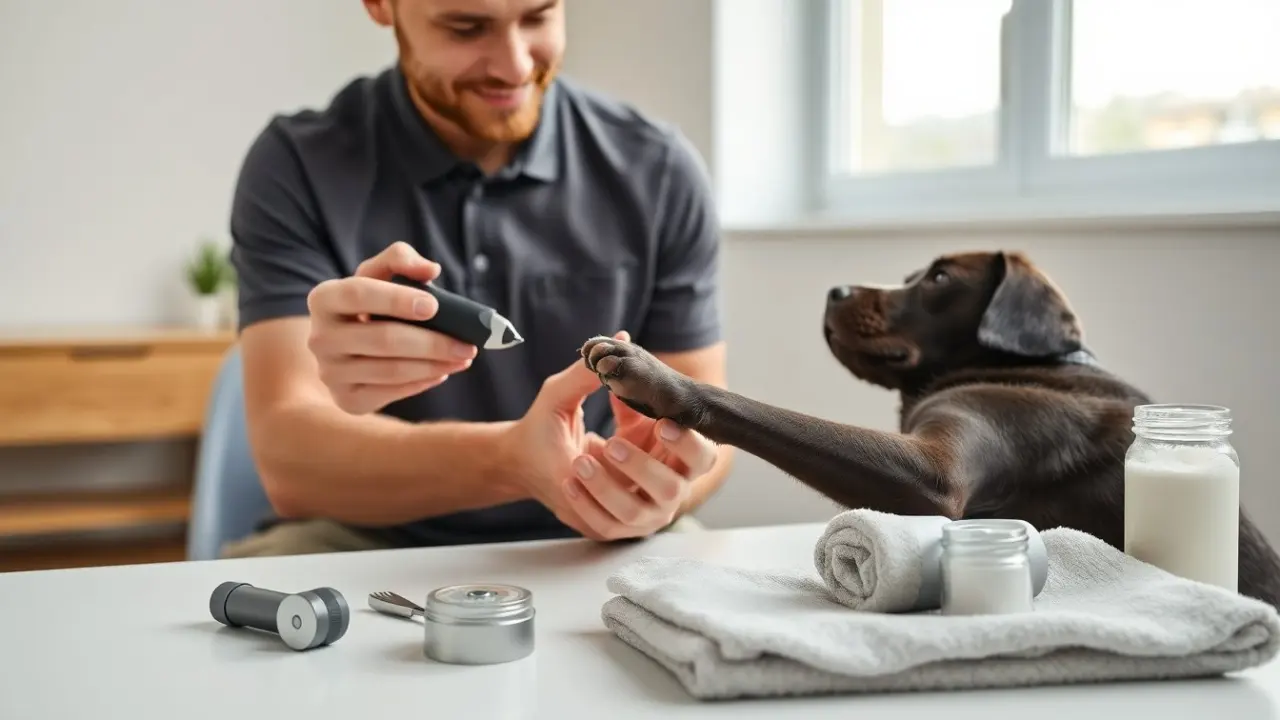
How to trim black dog nails is a common question for dog owners. The guide explains safety, tools, and a clear step-by-step process. It gives practical tips on finding the quick, choosing clippers, and keeping the dog calm. The writing uses plain sentences and direct steps. It aims to reduce bleeding risks and stress for both pet and owner.
Key Takeaways
- Trimming black dog nails requires extra caution since the quick is hidden, increasing the risk of cutting too deeply.
- Use appropriate tools like sharp dog nail clippers, a nail grinder, and styptic powder to manage bleeding.
- Prepare your dog by creating a calm environment, handling paws gently, and keeping trimming sessions short.
- Locate the quick by cutting small amounts under bright light and looking for visual cues like a dark dot or chalky center.
- Cut nails incrementally at a perpendicular angle, file rough edges, and reward your dog to reduce stress.
- Seek professional help if your dog resists, if heavy bleeding occurs, or if there are signs of infection or pain.
Why Trimming Black Dog Nails Is Different And What To Expect
Black dog nails hide the quick. Owners cannot see the blood vessel inside the nail. This fact increases the risk of cutting too deeply. The quick may run to the nail tip in some dogs. Older dogs may have longer quicks. Trimming will often create a dark inner ring rather than a pink line. Owners should expect occasional small nicks. They should also expect a learning curve. They should prepare styptic powder or cornstarch before they start. Regular, small trims let the quick retreat over weeks.
Essential Tools And How To Choose Them
Owners need three basic tools. They need a pair of guillotine or scissor clippers designed for dogs. They need a nail file or grinder for smoothing edges. They need styptic powder or cornstarch in case of bleeding. Choose clippers that fit the dog’s nail size. Pick clippers with sharp blades and a solid locking mechanism. Choose a grinder with variable speeds and a quiet motor for nervous dogs. Replace blades when they dull. Keep all tools clean and dry. Store tools in a safe place away from pets.
Step-By-Step Trimming Process For Black Nails
Preparing Your Dog And Creating A Calm Environment
They should pick a quiet room with good light. They should gather tools within reach. They should handle paws for several minutes to get the dog used to touch. They should offer a treat after each calm hold. They should trim after exercise when the dog feels relaxed. They should keep sessions short. They should stop if the dog shows strong stress. They should try again later or on another day.
How To Locate The Quick On Black Nails And Read Visual Cues
They should look at the nail under bright light. They should hold the nail up to the light where possible. They should search for a darker inner area and a translucent tip. They should cut small amounts and inspect the cut surface after each clip. They should look for a tiny dark dot in the center that may show the quick. They should note any soft, rubbery feel near the base: that area may be closer to the quick. They should stop when the cut surface shows a slightly chalky center rather than a translucent tip.
Cutting Technique: Angle, Incremental Clips, And Finishing
They should hold the clipper perpendicular to the nail. They should cut in small increments. They should remove no more than a few millimeters per clip on black nails. They should angle the blade to follow the nail curve. They should pause to check the cut surface after each clip. They should file rough edges with a grinder or emery board. They should reward the dog with a treat and praise after finishing. They should clean any nail dust and wash hands.
When To Seek Professional Help And Alternatives To Home Trimming
They should seek a groomer or vet if the dog resists handling. They should ask a professional when nails bleed heavily or when a nail splits near the quick. They should prefer a vet visit if infection, swelling, or pain appears. They should consider a groomer with experience trimming black nails for anxious dogs. They should use a grinder at the groomer if clippers cause stress. They should schedule regular professional trims for medical or behavioral issues. They should learn from a pro by watching one trim the nails once or twice.