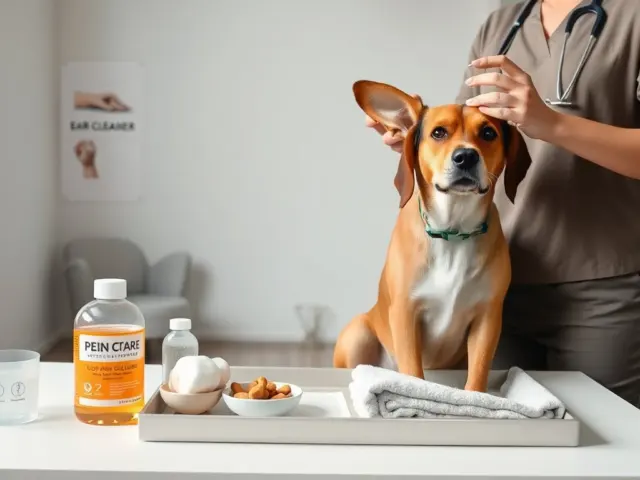
How often to bathe a dog depends on coat, activity, and skin health. The guide explains timing and simple rules. It lists signs that signal a bath now. It gives product and schedule suggestions. The reader gets clear steps to keep the dog clean and healthy without overbathing. This article expands practical guidance, step-by-step bath routines, and troubleshooting so an owner can confidently decide how often to bathe a dog for their specific pet.
Key Takeaways
- How often to bathe a dog depends on breed, coat type, activity level, skin health, and environment.
- For most healthy dogs, a bath every 4 to 8 weeks is ideal, adjusting frequency based on individual needs.
- Use gentle, pH-balanced dog shampoo and avoid human products to protect your dog’s skin.
- Look for signs such as strong odor, greasy coat, excessive scratching, or visible dirt to know when your dog needs a bath.
- Avoid daily baths to prevent stripping natural oils and damaging the skin barrier.
- Spot clean with waterless shampoo or wipes between full baths to keep your dog fresh without overbathing.
Factors That Determine Bathing Frequency
How often to bathe a dog depends on multiple clear factors. Breed affects oil production and shedding. Coat length affects dirt build-up. Activity level affects how fast the dog gets dirty. Skin conditions affect tolerance for shampoo. Age affects skin sensitivity. Environment affects smell and pollen exposure. Diet affects coat condition. Allergies affect itching and licking. Owner preference affects appearance and odor tolerance.
Veterinarians advise assessing these factors before setting a routine. If the dog has oily skin, a bath every 2 to 4 weeks may help. If the dog has dry skin, a bath every 6 to 8 weeks may suit better. If the dog spends time outdoors and rolls in dirt, the owner will bathe more often. If the dog has a skin condition, the vet may prescribe medicated baths on a set schedule.
How often to bathe a dog also depends on seasonal changes. Owners may bathe more in warm months when the dog swims or hikes. Owners may bathe less in cold months to protect the skin and coat oils. The owner should track skin response after each bath. The owner should adjust frequency if the coat becomes dull or the skin flakes.
Other practical considerations include allergies in the household (bathing can reduce pollen on the coat), the presence of odor-triggering habits (like rolling in dead animals or garbage), and concurrent treatments such as topical flea products that can be affected by bathing. For dogs receiving topical medications, consult product instructions or a veterinarian before increasing baths, since bathing can reduce effectiveness of those treatments.
Breed, Coat Type, And Skin Conditions: Tailoring The Schedule
How often to bathe a dog varies by breed and coat type. Short-haired breeds often need fewer baths. Long-haired breeds often need more brushing and occasional baths. Double-coated breeds need careful handling. The owner should avoid overbathing double-coated dogs to protect the undercoat.
Specific breeds have common needs. Hound breeds may smell more and need baths every 4 to 6 weeks. Labrador-type dogs may need baths every 6 weeks unless they swim often. Poodle-type dogs need professional grooming and baths around every 4 weeks to control matting and oil balance. The owner should learn breed-specific guidance from a groomer or veterinarian.
Skin conditions change the plan. If the dog has dermatitis, the vet may require medicated baths every 1 to 2 weeks. If the dog has yeast infections, the vet may require antifungal baths on a defined schedule. If the dog has flea or tick infestations, the owner should follow the treatment timeline and bathe as directed. The owner should not substitute medicated baths with over-the-counter products without vet approval. The owner should patch-test a new shampoo on a small area first.
Coat maintenance between baths also affects when a full bath is needed. Regular brushing removes loose hair, distributes natural oils, and reduces dirt accumulation. For long or curly coats, more frequent brushing and occasional professional trims reduce matting and allow less-frequent full baths without compromising cleanliness. For double-coated dogs, brushing during shedding season helps keep the undercoat healthy so baths can remain spaced to avoid drying the skin.
Age and lifecycle stages matter: puppies have delicate skin and often need fewer baths unless they are dirty; new mothers and nursing dogs may need tailored hygiene to avoid stress; senior dogs with mobility issues can be spot-cleaned more often while minimizing full baths that require drying and handling.
Practical Bathing Schedule, Products, And Signs Your Dog Needs A Bath Now
How often to bathe a dog starts with a simple baseline. For most healthy dogs, a bath every 4 to 8 weeks works. The owner can shorten or lengthen that window based on the factors above. The owner can set a calendar reminder. The owner can add spot cleaning between full baths.
Product choice affects bath frequency. Use a gentle dog shampoo with pH balanced for canine skin. Use a medicated shampoo only on vet advice. Use conditioner for long coats after shampoo. Use hypoallergenic formulas for sensitive skin. Avoid human shampoos. The owner should rinse thoroughly to remove all residue.
The owner should watch for clear signs that signal a bath now. The dog smells strong. The coat looks greasy or matted. The dog scratches or licks a lot. The dog rolls in mud or animal waste. The owner sees visible dirt or plant debris. The owner notices dandruff or flakes.
Use quick spot cleaning for small messes. Wipe paws after walks. Use waterless shampoo or pet wipes for light odor. Use a full bath for heavy soil or strong odor. Dry the dog fully after a bath. Use a towel and then a blow dryer on low cool settings if the dog tolerates it.
The owner should avoid daily baths. Daily bathing strips oils and harms skin barrier. If the dog needs frequent cleaning for medical reasons, the vet will give a schedule and products. The owner should keep records of bath dates and skin response. The owner should consult a vet if the skin worsens after a bath.
Step-by-step bathing routine to reduce stress and skin problems:
- Brush first: remove tangles and loose hair so shampoo reaches the skin evenly.
- Protect ears and eyes: gently place cotton in the outer ear canal if recommended by your vet and avoid shampoo near eyes.
- Use lukewarm water: test on the inside of your wrist; water that is too hot or cold stresses the dog.
- Wet thoroughly: soak coat completely so shampoo lathers and cleanses below the surface oils.
- Apply shampoo sparingly: follow product instructions; massage to the skin for at least 2–5 minutes for a full clean on heavy soiling or medicated baths.
- Rinse completely: leave no residue, which can cause irritation and attract dirt faster.
- Condition if needed: apply conditioner to long coats to help detangling and moisture retention, then rinse well.
- Dry thoroughly: towel first, then use a dryer on low heat if tolerated; never leave a damp coat, which can encourage yeast or mildew, especially in thick coats.
- Finish with brushing: restores coat appearance and helps spot any skin changes.
Choosing the right products and tools:
- Shampoos: regular gentle shampoo for routine care; oatmeal or hypoallergenic formulas for sensitive skin; medicated shampoos for specific conditions under veterinary guidance.
- Conditioners: detangling and moisturizing formulas for long or curly coats; avoid heavy conditioners on short or oily coats unless recommended.
- Tools: slicker brush for long hair, deshedding tool for double coats, and rubber curry brush for short coats help reduce the need for frequent baths.
- Extras: ear cleaner for routine maintenance, paw balms for cracked pads, and wipes for between-bath cleanups.
Scenario-based examples to help decide how often to bathe a dog:
- House dog with short coat, low activity, no skin issues: every 6–8 weeks, with weekly brushing and paw wipes after walks.
- Active outdoor dog that swims and hikes: every 2–4 weeks or after particularly dirty outings, with rinses after swimming in muddy water.
- Long-haired or curly-coated dog prone to matting: every 4 weeks plus professional grooming; more frequent brushing at home.
- Dog with chronic skin infection or allergies: follow veterinarian-prescribed medicated bathing schedule (often weekly or biweekly) and monitor response.
Common mistakes to avoid:
- Using human shampoo: different pH levels can dry or irritate canine skin.
- Insufficient rinsing: residue causes itching and attracts dirt.
- Bathing to mask medical odor: persistent bad smell may be infection—see your vet rather than increasing baths indefinitely.
- Overbathing for appearance: frequent baths can thin the coat and impair the skin barrier.
In short, deciding how often to bathe a dog is a balance between cleanliness and preserving skin health. Use the 4–8 week baseline, adapt based on breed, coat, activity, and medical needs, maintain good at-home grooming between baths, and consult a veterinarian when in doubt. Keeping a simple log of baths, products used, and skin condition after each wash helps you find the optimal schedule for your dog.