A first time dog owner checklist helps people prepare for a new dog. It lists supplies, safety items, and vet steps. It sets clear expectations for daily care and training. It avoids last-minute stress and missed essentials. This checklist focuses on practical items and simple routines that make the first weeks smoother.
Key Takeaways
- A first time dog owner checklist ensures you have all essential supplies like quality food, a comfortable bed, collar, and toys ready before your dog arrives.
- Set up a safe home environment by securing trash, removing toxic plants, using baby gates, and preparing both indoor and outdoor potty areas.
- Schedule a vet wellness visit within the first week to cover vaccinations, parasite prevention, diet advice, and overall health checks.
- Maintain home safety by locking up chemicals, hiding cords, anchoring furniture, and securing yard gates before outdoor play.
- Equip your dog with permanent ID through a collar tag and microchip, and keep updated medical records easily accessible in case of emergencies.
Essential Supplies And Home Setup
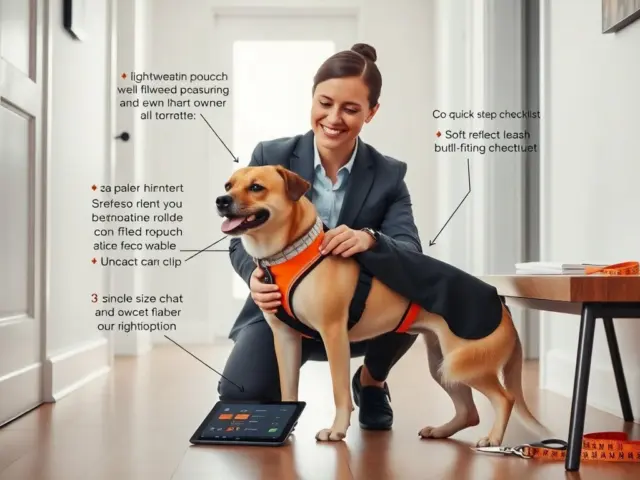
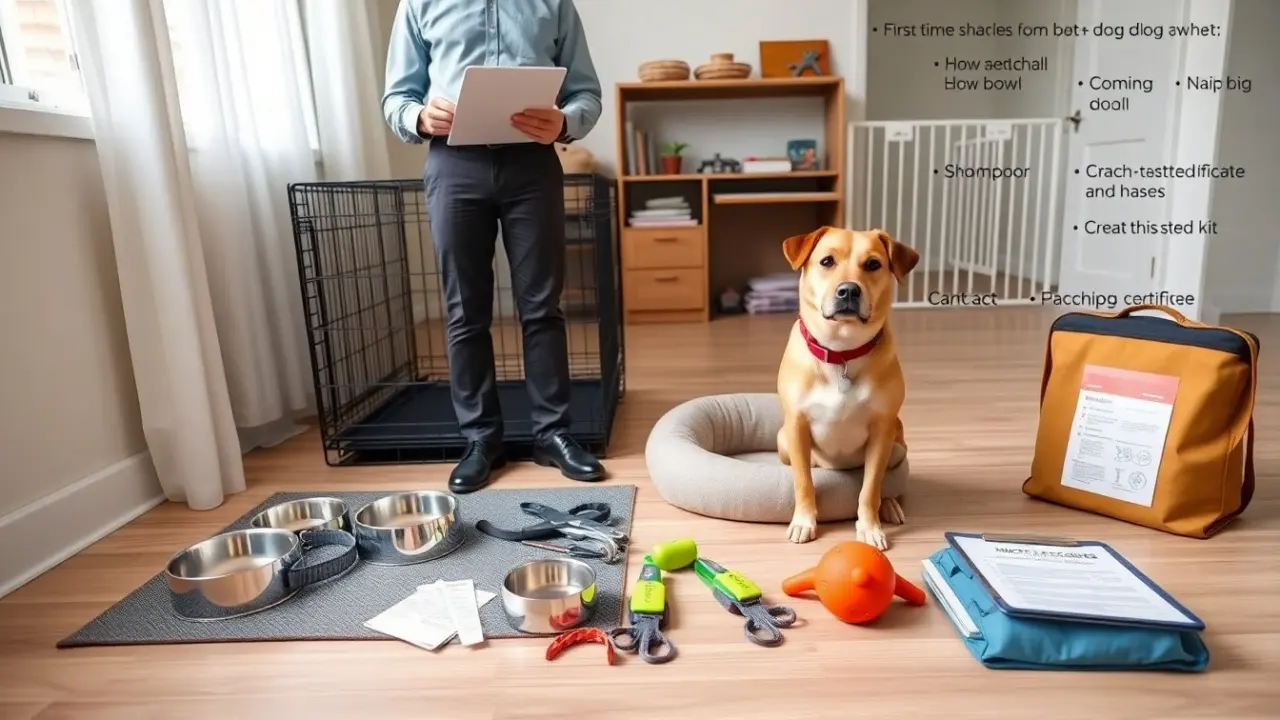
A first time dog owner checklist should start with supplies. A person buys quality food suited to the dogs age and size. A person sets two sturdy bowls, one for food and one for water. A person chooses a comfortable bed and places it in a low-traffic area. A person buys a collar, ID tag, and an appropriately sized harness or leash.
A person prepares a crate for house training and quiet time. The crate should allow the dog to stand, turn, and lie down. A person stocks chew toys and puzzle toys to prevent boredom. A person places a nonslip mat under feeding bowls to reduce spills. A person buys grooming tools like a brush, nail clippers, and dog-safe shampoo.
A first time dog owner checklist also covers the home layout. A person secures trash, removes toxic plants, and stores small objects out of reach. A person uses baby gates to block stairs or rooms. A person designates an indoor potty area if the dog will use pads. A person plans for outdoor fencing or supervised time outside.
A person keeps emergency supplies in one spot. The kit should include a towel, basic first-aid items, and contact numbers for the vet and emergency clinic. A person adds poop bags, stain cleaner, and a spare leash to the kit. These steps help a new dog settle and help a new owner act with confidence.
Health, Vet Care, And Safety
A first time dog owner checklist must include vet care. A person schedules a wellness visit within the first week. The vet checks weight, vaccines, parasites, and overall health. The vet recommends a vaccination schedule and a deworming plan. The vet explains flea and tick prevention options.
A person reviews diet and feeding amounts with the vet. The vet advises on safe treats and foods to avoid. A person asks about spay or neuter timing and procedures. A person records vaccine dates and future exam reminders. These steps protect the dog and reduce preventable illness.
A first time dog owner checklist also covers home safety. A person secures cleaning chemicals and medicines in locked cabinets. A person hides electrical cords and anchors furniture that could tip. A person keeps fragile items off low surfaces. A person checks yard gates and fence height before outdoor play.
A person plans for travel safety. The person selects a crash-tested car harness or a secured crate for car rides. The person avoids leaving the dog alone in a hot car. A person carries a portable water bowl and a copy of medical records for trips. These steps reduce risk and help in emergencies.
Training, Routine, And Socialization
A first time dog owner checklist must include training and a clear daily routine. A person establishes consistent feeding times, potty breaks, and sleep schedules from day one. Regular times for meals and bathroom outings help with housetraining and reduce anxiety. Short, frequent walks and play sessions set expectations for energy release and bonding.
A person starts house training immediately: supervise, use a leash indoors if needed, and take the dog to the same potty spot after meals, naps, and play. A person praises or treats the dog for correct elimination and calmly redirects accidents to the appropriate area. A crate can be a useful tool for housetraining and safe quiet time when used positively and not as punishment.
For basic obedience, a person uses positive reinforcement methods: reward desired behaviors with small treats, praise, or a brief play. A person begins with simple commands like sit, stay, come, and leave it, using short training sessions (5–10 minutes) several times a day. Consistent cues, timing, and rewards make learning faster and reduce confusion.
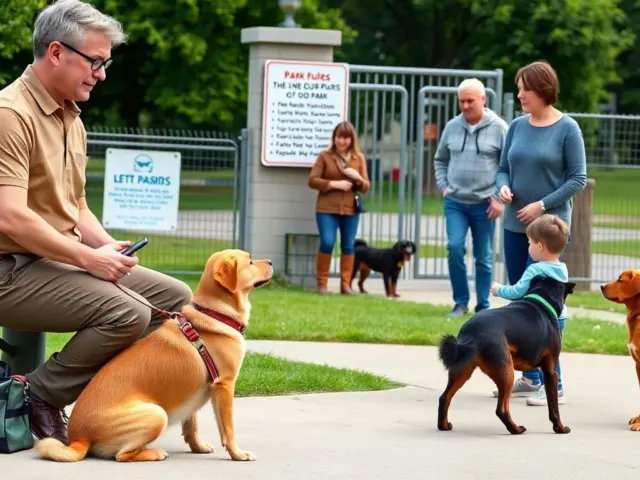
Socialization is another essential part of a first time dog owner checklist. A person exposes the puppy or new dog to a variety of people, places, sounds, and other dogs in a controlled, positive way. Early social experiences should be gradual and paired with treats or play so the dog builds confidence. A person enrolls in a puppy class or supervised group sessions when vaccinations and vet approval allow.
A person practices leash manners early: start with short indoor walks, reward loose-leash walking, and redirect pulling with stops and turns. A person teaches bite inhibition through gentle play and by stopping play if nipping occurs. If behavior challenges arise, a person consults a qualified trainer or behaviorist who uses reward-based techniques.
Finally, a person records a simple daily checklist as part of the first time dog owner checklist: meals and amounts, potty times, walks and play, training sessions, grooming, and any medications. Consistency, patience, and short, positive training sessions help the dog learn good habits and make the transition to home life smoother.
ID, Microchip, And Medical Records
A first time dog owner checklist includes permanent ID steps. A person fits an ID tag to the collar with name and a phone number. A person registers the tag phone number immediately after moving or changing numbers. A person schedules microchipping at the first vet visit if the dog lacks one.
A person updates microchip contact details after any address or phone change. A person requests a copy of the microchip certificate and keeps it with other records. A person keeps a printed file of vaccine records, deworming receipts, and past medical notes. A person stores scanned records in a secure cloud folder for quick access.
A person asks the vet about local licensing rules and completes registration as required. A person records allergies, chronic conditions, and medication instructions in the file. A person prepares a list of emergency contacts: vet, emergency clinic, and a trusted friend or family member. These actions shorten response time in an emergency and increase the chance of safe reunions.