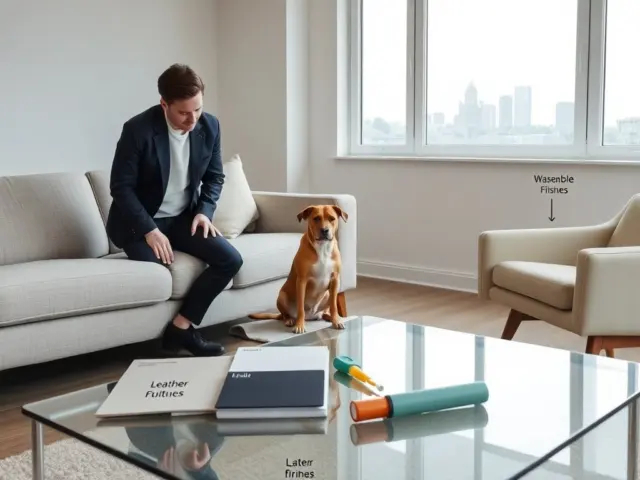
Dog park etiquette guides help owners keep dogs safe and calm. This article lists clear steps to prepare, behave, and act during problems. Readers will learn health checks, packing lists, leash rules, and how to handle aggression. The tone stays practical and direct. The advice fits busy owners who want safe, polite play.
Key Takeaways
- Checking dog vaccinations and flea prevention before visiting a dog park is essential to maintain health and safety.
- Always follow park rules, including leash regulations and registration requirements, to ensure respectful and secure interactions.
- Monitor your dog’s body language closely to prevent conflicts and intervene calmly during rough play or aggression.
- Bring necessary supplies like waste bags, water, a first-aid kit, and a photo of your dog to handle emergencies effectively.
- Supervise children closely and educate them on polite behavior around dogs to promote a safe environment for all.
- Leave the park promptly if your dog or others show repeated aggression or if conditions become unsafe to reduce stress and prevent injuries.
Prepare Before You Go: Health, Training, And Packing Essentials
Owners should check vaccinations before park visits. A simple vaccine record prevents disease spread. Owners should also confirm flea and tick prevention. A vet visit can clear unclear cases. Owners should train dogs on recall and basic commands. A dog that responds to “come” and “sit” reduces risk. Owners should practice leash walking in the yard. Short practice sessions build reliable responses.
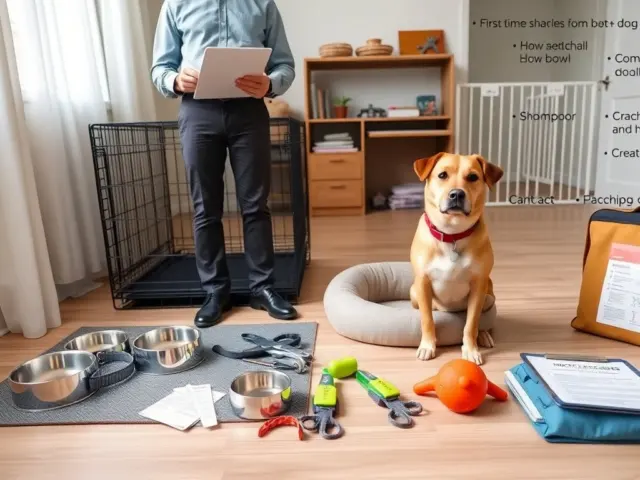
Owners should pack a small bag. The bag should include waste bags, bottled water, a collapsible bowl, and treats. Owners should bring a spare leash and a towel. A first-aid kit helps with small scratches or paw cuts. Owners should include a photo of their dog in the phone. A clear photo speeds recovery if a dog runs off.
Owners should assess dog temperament before the visit. A shy dog may avoid large groups. An overstimulated dog may show unwanted behaviors. Owners should choose off-peak times for first visits. Early morning or late afternoon visits reduce crowding.
Owners should check park rules before entry. Park rules often list vaccination requirements, age limits, and leash areas. Owners should read the sign at the entrance and follow posted rules. Owners should register dogs where required. Registration helps staff and other owners trace pets if needed.
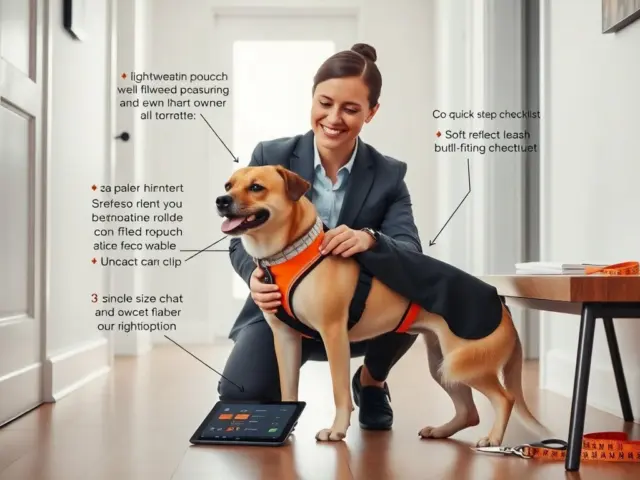
Owners should inspect gear before leaving home. A worn collar or a frayed leash can fail. Owners should replace weak items promptly. Owners should use secure ID tags and microchips. Tags and chips increase the chance of a safe return.
At The Park: Respectful Behavior, Leash Rules, And Managing Interactions
Owners should enter and exit through controlled gates. Gates prevent escapes. Owners should keep a short leash in entry areas. A short leash gives control near other dogs and the gate.
Owners should observe leash rules inside the park. Many parks require dogs off-leash only in designated areas. Owners should follow those rules. A dog on-leash can still greet other dogs if both owners agree and the park allows it. Owners should ask permission before allowing direct contact. A quick verbal check avoids surprises.
Owners should pay attention to body language. A wagging tail can mean many things. Owners should look for raised hackles, stiff posture, and intense staring. Those signs often mean discomfort. Owners should move a dog away when they see those signs.
Owners should keep play controlled. Rough play can escalate. Owners should separate dogs when play becomes too intense. Owners should use calm voice commands to intervene. Owners should reward calm, polite behavior with treats or praise.
Owners should manage greetings. Owners should allow dogs to sniff briefly and then move on. Owners should avoid forcing prolonged contact. Owners should prevent crowding around a single dog. Multiple dogs leaning in can stress one dog.
Owners should keep children supervised. Children should stand quietly and avoid running near dogs. Children should not grab toys from dogs. Owners should teach children simple rules: ask before petting and keep hands flat.
Owners should clean up waste immediately. A clean park benefits all dogs and owners. Owners should dispose of waste in proper bins. Owners should avoid leaving toys or food behind. Shared toys can spread parasites and illness.
Handle Problems Calmly: Aggression, Lost Dogs, And When To Leave
Owners should act quickly when they see aggression. Owners should call a dog back on command. Owners should avoid yelling or running toward the dogs. Loud movements can escalate the fight. Owners should use a barrier, such as a board or a flat object, to separate fighting dogs when safe. Owners should pour water on collars to distract dogs if needed. Owners should not try to grab jaws or put hands near mouths.
Owners should report severe incidents to park staff or local animal control. Staff can document the event and follow up. Owners should exchange contact information after a serious bite. Documentation helps in any later medical or legal steps.
Owners should act fast when a dog goes missing. Owners should check surrounding areas and call the dog by name. Owners should notify park staff and other owners immediately. Owners should share the dog photo from their phone. Owners should contact local shelters and file a lost report when the dog does not return quickly.
Owners should decide when to leave for safety reasons. Owners should leave if their dog shows repeated aggression. Owners should leave if other dogs show dangerous behavior. Owners should leave if the park crowd becomes unmanageable. A calm removal prevents injury and reduces stress for the dog.
Owners should follow up after incidents. Owners should seek veterinary care for injuries. Owners should review training with a professional trainer when needed. Owners should consider short, supervised visits during recovery to rebuild positive associations.
Owners should learn from each visit. Owners should note triggers and responses. Owners should adjust future plans based on those notes. This small habit leads to safer, more pleasant park visits for everyone.