famousparenting health, also searched as health famousparenting, is the search for the Health section of a parenting blog that mixes celebrity-parent tips with everyday family advice, and it is fine for light reading but not for medical decisions. This guide explains what the section holds and lists better places to turn for children’s health questions.
| Question | Answer |
|---|---|
| What kind of site is it? | A general parenting blog with a Health menu item |
| Is it medical advice? | No, treat it as general reading |
| Who writes the posts? | Several bylines; no medical credentials shown |
| Best use? | Ideas and questions to bring to a doctor |
| Better sources? | Paediatric societies and national health services |
What health famousparenting actually gives you
The site’s tagline promises tips and tricks from celebrity parents without the drama. Its menu runs from Parenting Advice and Relationships to Health, Learn, Play and Explore, and a section for toddlers. Health is one entry among many, not the centre of the site.
When the Health link was opened for this article, it led to a single post, Health and Development of Sleep Aids for Toddlers, dated November 2023, rather than to a list of health articles. That post is written in the first person, with lines such as describing a researcher parent and a sleep expert, and it carries no named qualifications or sources a reader could check. It is a reminder to read the page as an opinion piece.
What you will find around the health section
Most recent activity on the site sits in the toddler category. Headlines from 2026 include twenty kids’ party favour ideas beyond candy, why a baby may not sleep through the night, the rise of babywearing, choosing a stroller, nursery must-haves, how to choose a toddler bike with safety in mind, platforms that vet breeders for families buying a puppy, and a question on whether a child is a mouth breather and what it means for sleep and face development.
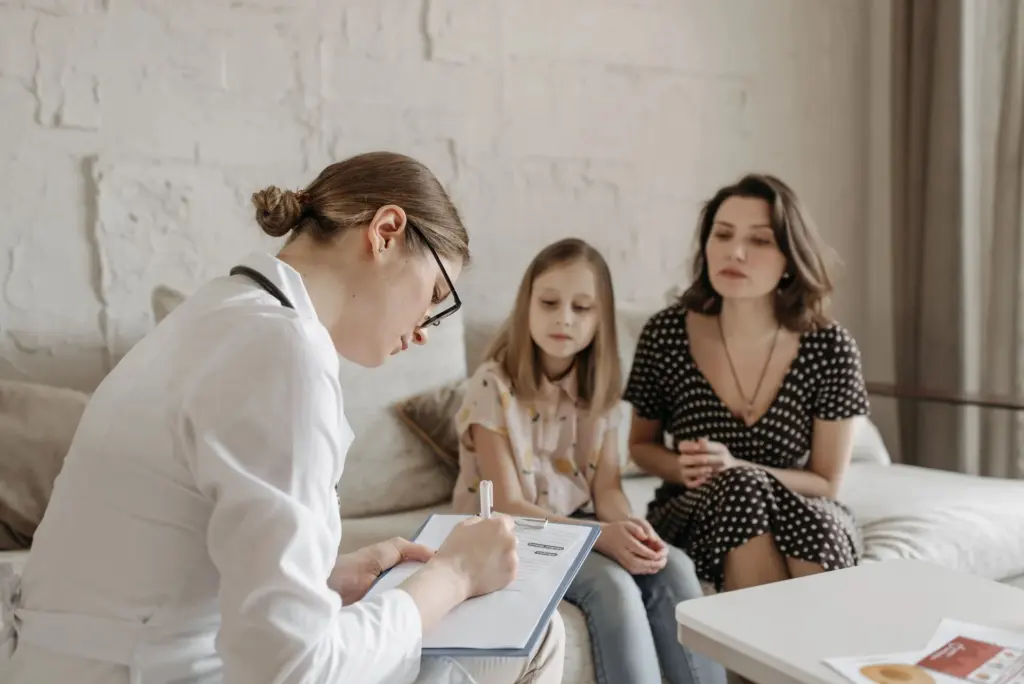
A few of these touch health, especially the sleep and mouth-breathing pieces. They are phrased in general terms and do not replace an assessment. If a child is unusually tired, has trouble breathing at night, or sleeps badly for weeks, the next step is a call to a doctor or health visitor, not another article.
How reliable is it for health questions?
There are mixed signals. The About page describes the site as a comprehensive resource that offers practical and evidence-based advice, written by experienced writers, many of whom are parents. That is the site’s own claim. It does not name a medical reviewer, publish a review date on its health posts or list sources at the foot of articles.
That is typical of a lifestyle publication and is not a mark against the blog’s honesty. It does mean you should check dosage, symptom, vaccination or development information against an official source before acting on it, and should never delay care because of something read online.
Alternatives to health famousparenting for child health
If the aim is accurate health information for a child, these well-known public sources are better starting points, and each has a search box and topic pages you can browse in minutes.

- HealthyChildren.org, the parent site of the American Academy of Pediatrics, for symptoms, sleep, feeding and safety.
- NHS health pages in the United Kingdom, for plain-language advice on common childhood illnesses.
- CDC child development pages, for milestone checklists and vaccination schedules.
- KidsHealth, a children’s health library produced by a paediatric health system, with separate pages for parents, teens and kids.
- Mayo Clinic, for symptom and condition overviews written for adults.
Pick the source that matches your country, since schedules and guidance differ between health systems. Your own doctor’s practice may also publish local advice.
A short checklist for any online health article
The same habits work on this blog and on every other site you meet while looking something up late at night.
- Look for a named author and a stated qualification. An unsigned or first-name-only article tells you little.
- Check the date. Guidance on sleep, feeding and vaccines changes, and a post from 2023 may be out of step with current advice.
- Look for sources. Good articles point to a guideline, a study or an official body, not to the writer’s own say-so.
- Be wary of product pushes. A health post that ends by recommending a particular gadget, supplement or service may be paid placement.
- Compare with one official page. If two reliable sources agree, you can be more confident; if they differ, ask a professional.
Applying this to the Health menu link here, the sleep-aid post fails the first three checks: it shows no qualified author, an older date and no sources. That does not make it wrong. It makes it unconfirmed, which is the right label for it.
When a parenting blog is still useful
Blogs earn their place in other ways. The toddler articles are quick to read and can give a tired parent ideas: how to set up a nursery, what to look for in a stroller, how to plan a birthday party without sweets. Use them for practical inspiration and for questions to ask a professional, not for answers.
Searchers who type health famous parenting with a space are in the same position as those who type it without one: the two spellings reach the same site, and the same advice applies. Read, compare and, where a child’s wellbeing is at stake, confirm with a qualified clinician.