Dog dental care appears in the first line to set the topic. This guide gives clear steps and checks. It shows what owners can do at home. It explains when a veterinarian must act. It uses plain language and simple steps for daily routines and for vet visits.
Key Takeaways
- Dog dental care is crucial for overall health, as poor oral hygiene can lead to serious infections affecting the heart and kidneys.
- Owners should inspect their dog’s teeth and gums weekly, watching for signs like plaque, bad breath, and gum discoloration.
- Daily at-home dental care using canine toothpaste and a soft brush helps reduce plaque and tartar build-up effectively.
- Building a consistent brushing routine early makes dental care positive and easier for both dogs and owners.
- Seek professional veterinary dental care promptly if you notice persistent bad breath, gum inflammation, loose or broken teeth, or changes in chewing habits.
- Regular dog dental care at home and timely vet visits prevent serious dental disease and reduce future health complications and costs.
Why Dog Dental Care Matters For Overall Health
Dog dental care affects more than breath. Poor dental health allows bacteria to enter the bloodstream through inflamed gums or infected tooth roots, and that bloodstream exposure can contribute to problems in other organs such as the heart and kidneys. Dogs with advanced dental disease often eat less because chewing is painful, so weight loss, poor coat condition, and lower activity levels can follow. Pain from infected teeth or gums is easy for dogs to hide, so owners may miss early signs unless they check regularly. Regular dog dental care lowers infection risk, makes eating more comfortable, and helps maintain energy and behavior. Preventive care, including home routines and timely veterinary checks, tends to keep issues small and treatments simpler. In short, consistent attention to the mouth supports a dog’s whole-body health and quality of life.
How To Check Your Dog’s Teeth And Gums At Home
Owners should inspect the mouth once a week as part of routine dog dental care. Find a calm, well-lit spot and let the dog sniff and relax before you begin. Gently lift the lips and look at both the outer and inner surfaces of the teeth and the gum line. Healthy gums are usually pink and the teeth are free of thick brown or yellow deposits; pale, very red, swollen, receding, or bleeding gums signal a problem. Look for loose or broken teeth, dark spots on enamel, or visible tartar buildup at the gum line. Persistent bad breath that does not fade with a recent meal often indicates infection or decay. Watch behavior closely: drooling, difficulty chewing, dropping food, or pawing at the face can point to dental pain. Also check the jaw for lumps or swelling and feel along the gums for areas of tenderness. Photograph any concerning areas and keep a simple log of changes so you can track progress or show the vet exactly what you observed.
Daily At-Home Dental Care: Simple Routines That Work
Owners should start small and build consistency when establishing at-home dog dental care. Short, positive sessions are better than rare long ones. Use toothpaste formulated for dogs—never human toothpaste—and a soft-bristled dog toothbrush or finger brush to reduce the chance of irritating gums. Position the dog comfortably, lift the lip, and brush in gentle circular motions along the gum line; aim for about one minute per side as you build tolerance. If a full brush isn’t possible every day, focus on the outer surfaces where plaque accumulates most. Reward dogs after each session with praise, a short play session, or a small treat so brushing becomes a pleasant routine. In addition to brushing, include safe chew toys, dental chews, and oral rinses designed for dogs to help reduce plaque between brushings—check with your veterinarian to choose appropriate products. Consistency is key: routines that begin early and are kept gentle and predictable usually become habits that last a lifetime.
Professional Dental Care: When To See The Vet
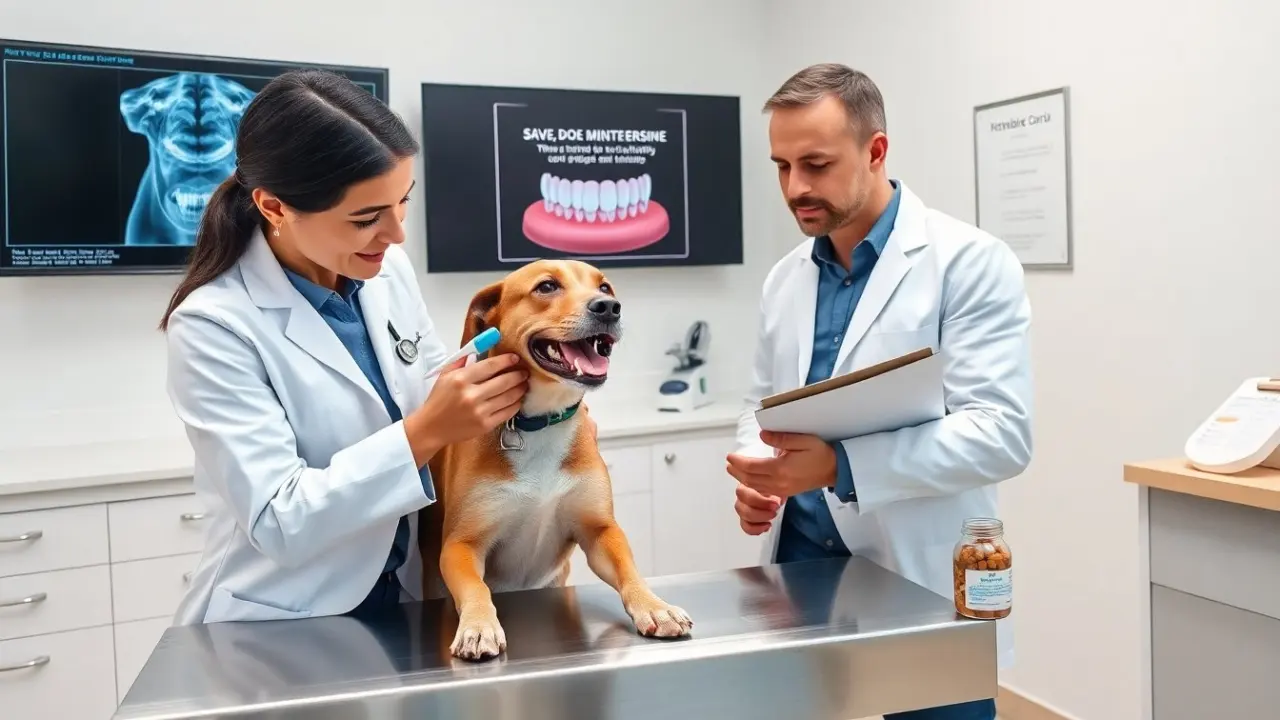
Owners should see a veterinarian when they find persistent bad breath, gum inflammation, or any signs of infection. Other clear reasons to book a professional dental exam include loose or fractured teeth, visible pus at the gum line, chronic bleeding, or any sudden change in eating or chewing habits. If you notice facial swelling, nasal discharge, or behavioral signs of pain, seek care promptly. Veterinary dental care can include a full oral exam, dental X-rays to evaluate roots and bone, and professional cleaning and scaling under anesthesia to remove tartar below the gum line—areas routine brushing can’t reach. The vet can also extract irreparably damaged teeth, treat infections, and advise on an at-home maintenance plan tailored to your dog’s breed, age, and health. Early professional intervention often reduces the need for more extensive surgery later and is an important complement to regular dog dental care at home.