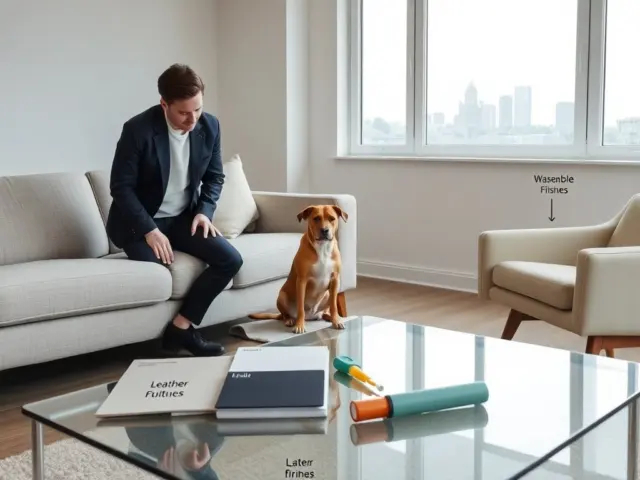
Dog and owner Halloween costumes make a party memorable fast. The list shows twenty paired ideas that balance style and comfort. The guide gives clear steps, quick materials, and buying tips. The reader finds safe options and simple DIY plans. The article keeps focus on costume fit, pet comfort, and easy assembly.
Key Takeaways
- Choosing dog and owner Halloween costumes that prioritize comfort and safety ensures a fun and stress-free experience for both.
- Always check costume fit, breathability, and the dog’s mobility before outings to prevent discomfort or injury.
- Incorporate reflective tape or LED clips in dog costumes to enhance visibility and safety during nighttime events.
- Simple DIY paired costumes like Pirate and Parrot or Chef and Sous-Chef can be made quickly using felt, Velcro, and elastic for an easy matching look.
- When buying ready-made costumes, select options with adjustable straps, breathable materials, and visible ID attachments for the dog’s safety.
- Test costumes indoors first and prepare quick-release plans and essentials like treats and scissors for smooth Halloween adventures.
Safety-First Checklist Before You Dress Your Dog
Dogs react strongly to new items. An owner should check fit, breathability, and mobility first. The owner should avoid tight collars, restrictive fabrics, and dangling parts. A vet should clear dogs with respiratory or skin issues before any costume use. The owner should test fabric against the dogs skin for twenty minutes to check for irritation.
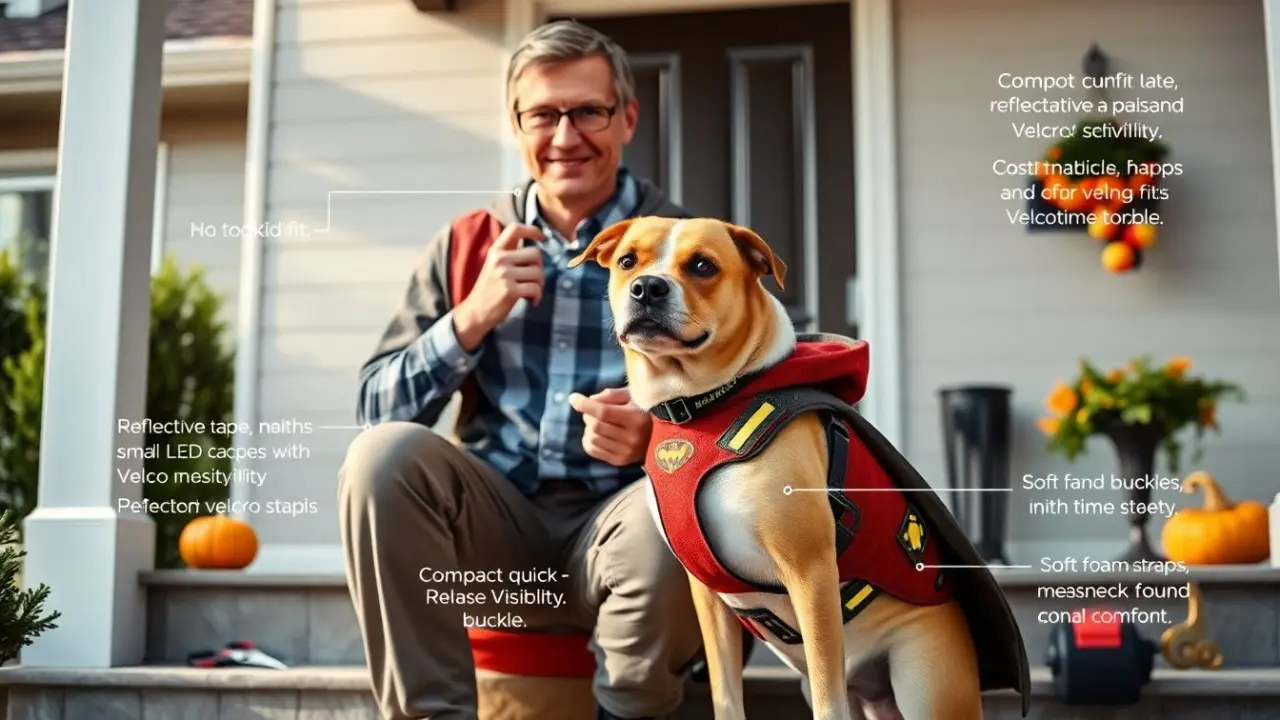
A simple lighting rule improves visibility. The owner should add reflective tape or a small LED clip to the costume. The owner should avoid small, swallowable pieces such as buttons, beads, or loose trim. The owner should fasten all parts with stitches or secure Velcro rather than pins.
Temperature affects comfort. The owner should pick breathable fabrics for warm nights and lightweight layers for cool ones. The owner should watch the dog for signs of overheating or shivering. The owner should remove the costume if the dog shows stress signs like panting, whining, or hiding.
Mobility matters for walking and bathroom breaks. The owner should ensure full leg and tail movement. The owner should test the costume with a short walk before any event. The owner should make a quick-release plan in case the dog panics. The owner should carry treats and a leash that fits over the costume.
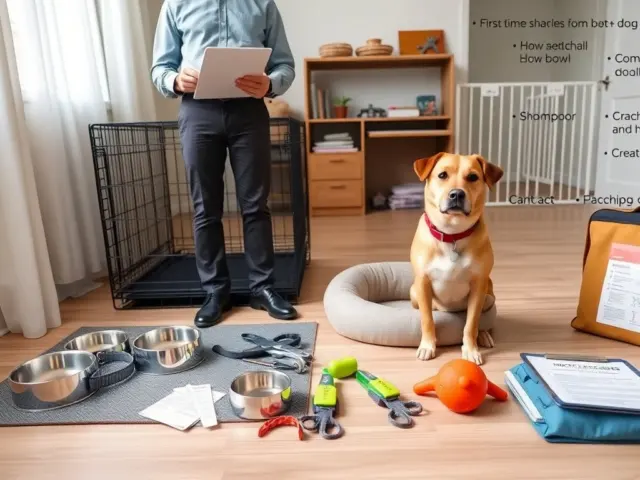
Identification must remain visible. The owner should keep the dogs tag and microchip information up to date. The owner should attach the ID to the collar, not the costume. The owner should keep a fit-adjustment kit with extra straps, scissors, and medical wipes on hand during outings.
10 Simple DIY Dog-And-Owner Costume Ideas (Quick Materials & Steps)
They pick themes that match personality and ease. The list below gives ten paired ideas that use common materials and fast steps.
- Pirate and Parrot: The owner wears a bandana and vest. The dog wears a small parrot cape with soft felt wings and elastic straps.
- Wizard and Familiar: The owner wears a cloak and hat. The dog wears a felt cloak and a soft foam hat secured with elastic.
- Chef and Sous-Chef: The owner wears an apron and hat. The dog wears a mini apron and a chefs hat with a Velcro chin strap.
- Astronaut and Alien: The owner wears a silver jacket and helmet. The dog wears a silver vest and a foam-antenna headband with elastic.
- Cowboy and Pony: The owner wears a hat and flannel shirt. The dog wears a saddle blanket and faux leather reins that clip to the collar.
- Ghost and Little Ghost: The owner uses a styled sheet with eye holes. The dog uses a thin sheet with safe armholes and secured edges.
- Firefighter and Dalmatian: The owner wears a firefighter jacket. The dog wears a spotted vest and a small plastic helmet with foam lining.
- Superhero Duo: The owner wears a cape and emblem shirt. The dog wears a matching cape and soft emblem attached by Velcro.
- Farmer and Scarecrow: The owner wears overalls and straw accents. The dog wears a straw-effect collar and a bandana.
- Baker and Bread: The owner wears a baker shirt and hat. The dog wears a soft bread-slice costume with Velcro sides.
Each pairing focuses on quick steps. They cut felt or foam to size. They sew or glue pieces to a base vest or strap. They test fit on the dog and adjust straps for safety. They avoid tight neck attachments and sharp fasteners.
Materials And Quick Assembly Tips For DIY Matching Costumes
They gather a small set of reliable supplies. The list includes soft felt, Velcro strips, lightweight foam, elastic bands, a hot glue gun, needle and thread, thin fabric for capes, and reflective tape. They add LED clips for visibility on night walks.
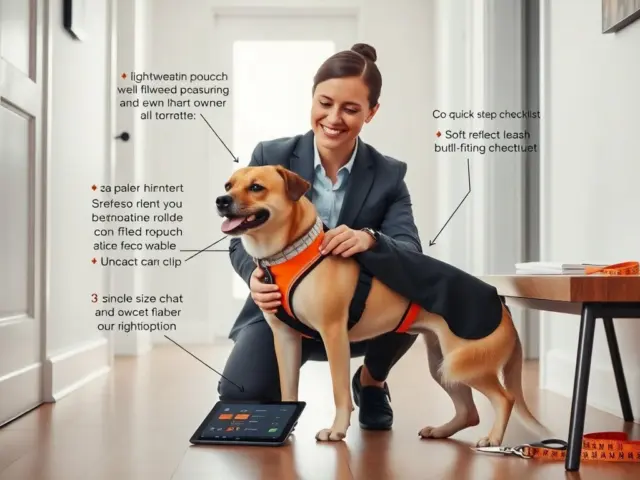
They follow a short assembly routine. Step one: measure the dogs neck, chest, and length. Step two: cut a base pattern from felt that covers the dogs back without restricting legs. Step three: attach design pieces to the base with stitching or strong glue. Step four: add secure straps with elastic and Velcro. Step five: test the costume indoors and make small adjustments.
They use quick fixes for common issues. If a strap slips, the owner adds a small fabric loop. If a decorative piece dangles, the owner shortens its attachment or removes it. If the dog resists headwear, the owner skips the headpiece and uses a harness-mounted decoration instead.
Where To Buy Ready-Made Matching Costumes And What To Look For
Shoppers find ready-made sets at pet retailers, costume shops, and online marketplaces. The owner should check size charts and measure the dog before ordering. The owner should read reviews that mention fit and durability. The owner should prefer costumes with adjustable straps and soft liners.
Materials matter for comfort. The owner should choose cotton blends or lightweight polyester with breathable construction. The owner should avoid heavy vinyl or stiff plastics that restrict movement. The owner should look for labeled breakaway features or quick-release buckles.
Safety features help on busy nights. The owner should choose costumes with reflective trim or add reflective tape after purchase. The owner should pick options that keep the ID collar visible. The owner should buy small LED safety lights if the costume lacks visibility.
Where to shop: major pet stores often carry seasonal lines that fit common breeds. Costume specialty shops offer creative sets with higher detail and matching human pieces. Marketplaces give more variety and custom options from independent makers. The owner should compare return policies for sizing issues.
Price and quality tradeoffs are simple. Higher price often indicates better materials and construction. Lower price can work for single-use nights if the owner inspects seams and fastenings. The owner should keep receipts and tags until the dog wears the outfit successfully.
For custom fits, the owner should contact makers who offer measurements-based orders. The owner should provide neck, chest, and back length. The owner should ask about lining materials and buckle types before ordering. The owner should plan lead time for custom work to avoid last-minute stress.