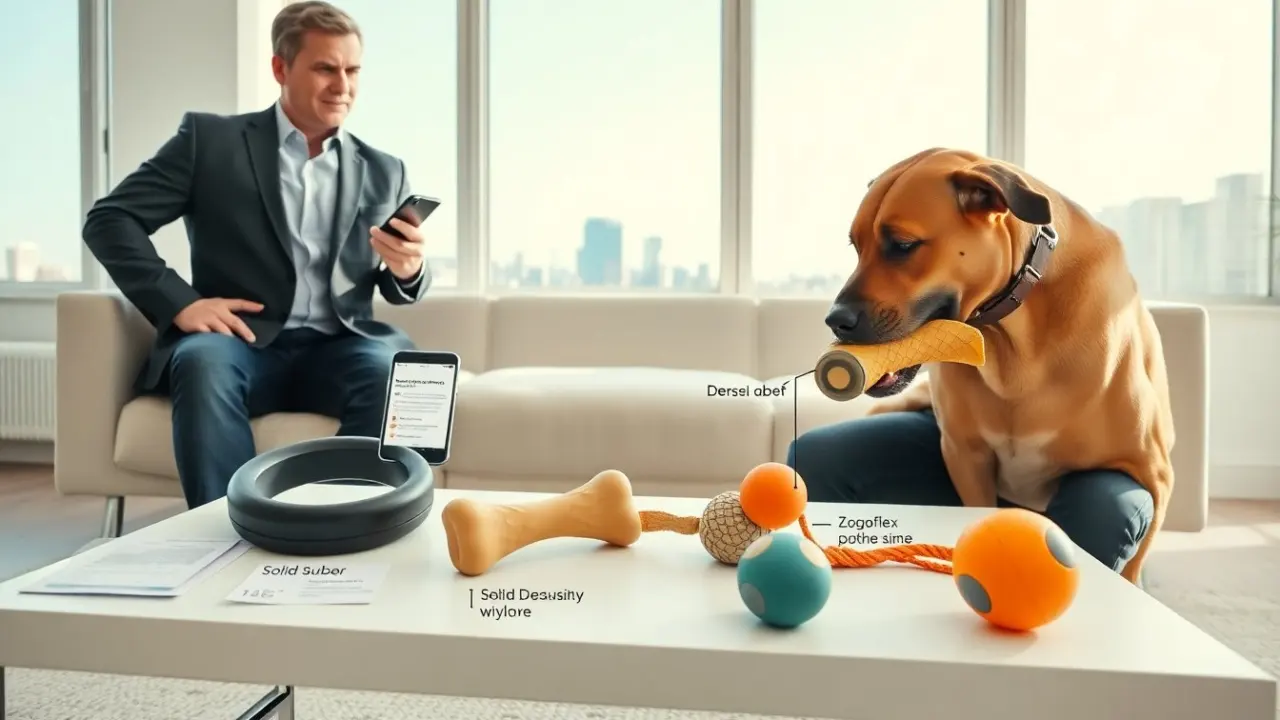
The best dog chew toys for aggressive chewers help strong jaws stay busy and safe. Owners should pick toys that resist tearing, avoid small parts, and fit the dog’s mouth. Vets often recommend firm, non-toxic materials and supervised play. This guide lists clear rules and top toy choices so owners can protect teeth, prevent choking, and extend toy life.
Key Takeaways
- Choosing the best dog chew toys for aggressive chewers helps protect strong jaws and prevents dental injuries by using durable, non-toxic materials.
- Select chew toys made from natural rubber, high-density nylon, or hard polyurethane to resist tearing and biting damage.
- Match toy size to your dog’s mouth and chewing style to avoid choking hazards and ensure sustained interest.
- Regularly inspect toys for cracks or missing pieces and replace damaged toys immediately to maintain safety.
- Rotate a variety of durable chew toys, including treat-dispensing options, to keep your dog mentally stimulated and reduce destructive chewing.
- Consult a veterinarian for extreme chewers to get recommendations on safe materials and monitor dental health.
Why Aggressive Chewers Need Purpose-Built Toys
Owners must choose the best dog chew toys for aggressive chewers because ordinary toys fail fast. The dog bites hard, rips soft toys, and swallows stuffing. That behavior creates choking risks and dental damage. A purpose-built toy resists tearing, limits loose pieces, and distributes bite force. Veterinarians see fewer mouth injuries when owners use solid, tested toys.
The dog gains mental stimulation from a durable chew object. The dog also gains an outlet for energy that reduces destructive chewing on furniture. The owner reduces replacement costs and cleanup when the toy lasts longer.
Manufacturers test the best dog chew toys for aggressive chewers against repeated bite cycles and high jaw pressure. The tests reveal weak seams, thin edges, and brittle plastics. The owner should prefer toys with clear safety labels, size guidance, and material details.
The owner should match toy size to dog size. A small heavy chewer can still shred a toy meant for tiny dogs. A too-large toy can frustrate a small mouth. The owner must supervise new toys for several sessions. The dog should show confident chewing without destroying the toy in minutes. If the dog reduces chewing damage after a week, the toy likely fits the dog’s style.
How To Choose A Truly Durable Chew Toy (Materials, Sizes, Safety Tips)
Buy the best dog chew toys for aggressive chewers by checking materials first. Look for natural rubber, high-density nylon, and hard polyurethane. These materials resist cutting and tearing. Avoid thin vinyl, soft plush, and brittle plastics. The label should list the exact material and a hardness rating when available.
Check the toy size next. Match toy size to the dog’s bite force and mouth shape. Measure the dog’s mouth width and choose a toy that the dog can grasp but not swallow. The toy should leave no exposed small parts after normal chewing.
Read safety labels and testing claims. The best dog chew toys for aggressive chewers often carry phrases like “chew-tested,” “veterinarian-approved,” or ASTM testing references. Prefer toys with clear cleaning instructions. The owner should avoid porous materials that trap saliva and bacteria.
Inspect edges and seams before buying and after each play session. A single crack can become a hazard. Replace any toy that shows deep gouges or missing chunks. The owner should not repair a shredded toy with glue or tape because those fixes can fail and create new hazards.
Offer variety but keep limits. Rotate two or three durable toys to keep interest. Use toys that store treats to reward sustained chewing. The owner should supervise treat-filled toys because the dog can become focused and chew aggressively to free the treat.
Finally, consult a veterinarian for extreme chewers. A vet can suggest dental-safe materials and may test bite force to match a toy. The vet can also check the dog’s teeth after heavy chewing to catch chips or wear early.
Best Chew Toys That Withstand Heavy Chewing — Shortlist and When To Use Each
KONG Extreme Rubber Classic. The owner chooses this for heavy chewers who love bouncing and treat puzzles. KONG uses dense rubber that resists deep punctures. The dog can fetch, chew, and work kibble inside. The owner should pick the correct KONG size to prevent swallowing.
Goughnuts Red Ring. The manufacturer designs this ring for relentless chewers. The toy uses tough, layered rubber and a visible safety indicator that shows inner red if the dog chews through the outer layer. The owner should retire the ring at the first red reveal. This toy suits dogs that grind and test rubber strength.
Nylabone Power Chew. The product uses high-density nylon for dogs that like to gnaw. The owner picks a shape that matches the dog’s bite style. The nylon helps clean teeth while the dog chews. Avoid flavored nylabones if the dog destroys the outer layer quickly: the owner should move to plain, solid options.
West Paw Zogoflex Hurley. This durable plastic toy suits heavy chewers who enjoy water play. The owner chooses this when the dog likes fetch on land and water. The material floats, resists splintering, and cleans easily. Replace the toy if deep gouges appear.
Benebone Wishbone. The carved nylon shape offers secure grip and focused chewing. The owner offers this to dogs that prefer non-cylindrical toys. The carved design reduces chance of swallowing and helps the dog maintain a steady bite.
Benebone Dental Chew and Rubber Tug options. The owner uses these when the dog needs extra tooth cleaning or a tug toy. The materials reduce plaque build-up and resist tearing.
Treat-dispensing rubber balls and heavy-duty rope alternatives. The owner picks treat toys when the dog needs longer engagement. The owner uses heavy rope only with supervision. Rope can shed fibers. If fibers appear, the owner removes the rope immediately.
Pair any of these with supervision and routine inspection. The owner should rotate toys and replace them at first sign of structural failure. A veterinarian can advise on tooth wear and safety if the dog chews through multiple toys quickly.